immediate denture post op instructions

Immediate Denture Post-Op Instructions: A Comprehensive Guide
Navigating life after tooth extraction with immediate dentures requires diligent care. This guide details essential steps for healing, comfort, and maintaining your oral health post-procedure.
Understanding Immediate Dentures
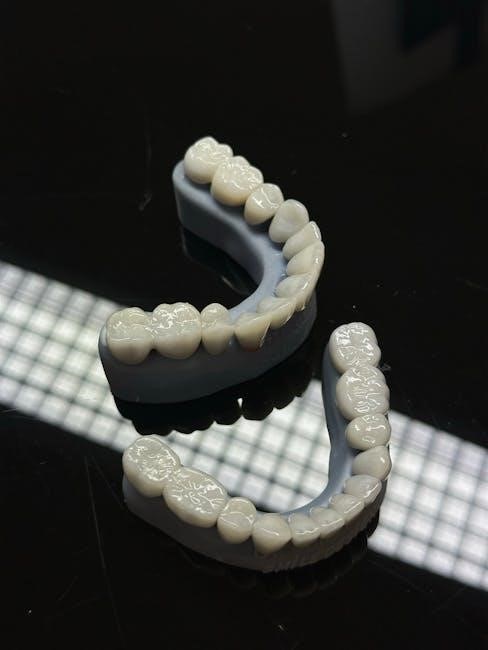
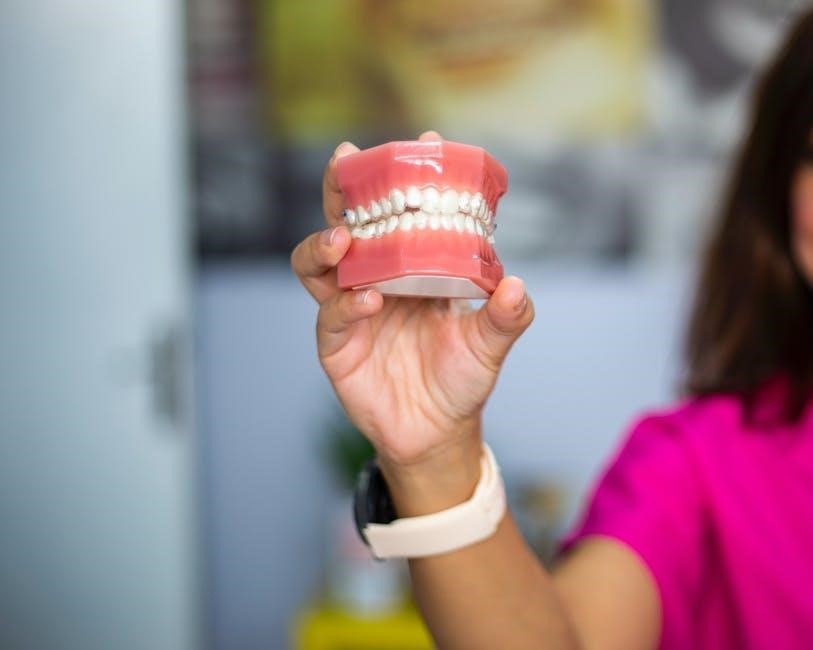
Immediate dentures are prosthetic replacements fabricated before your natural teeth are extracted. They are fitted and placed immediately after tooth removal, offering a continuous transition and avoiding the aesthetic concerns of being toothless. This approach serves multiple crucial functions beyond simply restoring appearance.
These dentures act as a bandage, promoting initial haemostasis – controlling bleeding at the extraction sites. They also protect the surgical area from trauma and aid in the crucial process of wound healing. Leaving the denture in place for the first 24 hours is often recommended, as it minimizes swelling by providing support to the tissues.
However, it’s vital to remember that immediate dentures are temporary. They typically require adjustments as the gums and bone reshape over the following months, usually around 6-8 months, before permanent dentures are created. Expect changes in fit during this period.
What are Immediate Dentures?
Immediate dentures are a complete denture solution crafted before your teeth are extracted, designed for immediate placement after removal. Unlike conventional dentures, which are made after the extraction sites have healed, these offer a seamless transition, avoiding a period of being without teeth. This is particularly beneficial for patients concerned about aesthetics and maintaining functionality.
The process involves precise measurements and a wax try-in to ensure proper fit and appearance before the extraction appointment. Once the teeth are removed, the denture is immediately inserted, acting as a protective splint. This immediate placement aids in controlling bleeding and minimizing post-operative swelling.
It’s crucial to understand that immediate dentures are considered a provisional restoration. They require regular follow-up appointments and adjustments as the gums and underlying bone naturally remodel. They are typically replaced with a final, more precisely fitted denture after a healing period of several months.
The Purpose of Immediate Dentures After Extraction
Immediate dentures serve multiple crucial purposes following tooth extraction. Primarily, they provide an immediate aesthetic solution, preventing the visible gap of missing teeth and maintaining facial support. This can significantly boost a patient’s confidence during the healing process.
Beyond aesthetics, immediate dentures function as a physical barrier, protecting the extraction sites from trauma and aiding in the crucial process of haemostasis – stopping the bleeding. They act like a bandage, promoting initial wound healing and reducing the risk of complications.
Furthermore, the pressure exerted by the denture helps to minimize post-operative swelling. By maintaining space, they prevent soft tissue collapse and aid in preserving the natural contours of the mouth. However, it’s vital to remember these are temporary, facilitating comfort and function while the mouth heals, preparing it for a final denture.
Benefits of Immediate Dentures
Opting for immediate dentures offers several advantages post-extraction. The most prominent benefit is the avoidance of being without teeth, maintaining a natural appearance and enabling continued social interaction without self-consciousness. This is particularly valuable for those concerned about their image during recovery.
Immediate dentures also provide immediate functionality, allowing patients to eat and speak with relative normalcy compared to a period of edentulism. They act as a splint, aiding in wound healing and minimizing post-operative discomfort.
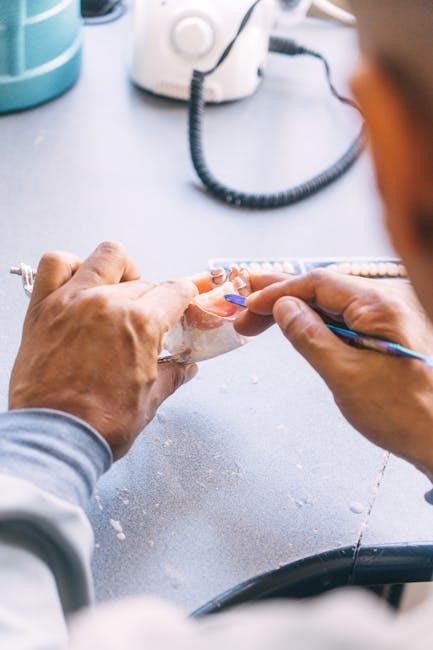
While temporary – typically worn for 6 to 8 months – they allow for a trial period, enabling adjustments and refinements before the fabrication of the final, permanent dentures. This ensures optimal fit and comfort. They also reduce swelling and prevent trauma to the extraction sites, contributing to a smoother recovery process.
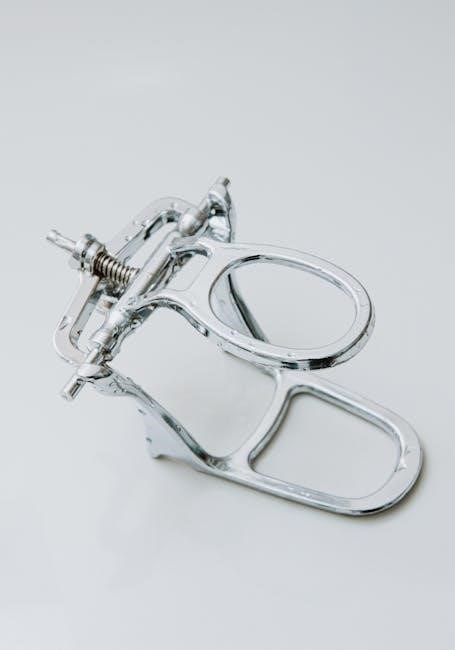
Initial 24-Hour Post-Op Care
The first 24 hours are crucial for initial healing. Keep the denture in place, acting as a bandage, to control bleeding and minimize swelling post-extraction.
Keeping the Denture In Place – First 24 Hours
Maintaining continuous denture wear during the initial 24 hours is paramount for optimal healing. The immediate denture functions as a vital protective bandage, directly contributing to the control of post-extraction bleeding. This consistent pressure also actively minimizes swelling at the extraction sites, fostering a more comfortable recovery process.
Avoid any unnecessary removal or manipulation of the denture during this period. Attempting to remove it prematurely can disrupt the forming blood clot and potentially lead to prolonged bleeding or delayed healing. It’s important to understand that some minor discomfort is normal, but this should be manageable.
If you experience significant pain despite following these instructions, or if you notice excessive bleeding that doesn’t subside, contact your dentist immediately. They can assess the situation and provide tailored guidance. Remember, adhering to this 24-hour rule is a cornerstone of successful immediate denture adaptation and healing.
Managing Bleeding After Extraction
Some degree of bleeding is expected following tooth extractions, even with immediate denture placement. The denture itself applies pressure, acting as a natural aid to control and minimize this bleeding. However, understanding how to manage any breakthrough bleeding is crucial for a smooth recovery.
Avoid vigorous rinsing or spitting for the first 24 hours, as this can dislodge the forming blood clots. If minor oozing persists, gently bite down on clean gauze pads placed over the extraction sites. Replace the gauze every 30-60 minutes until the bleeding subsides.
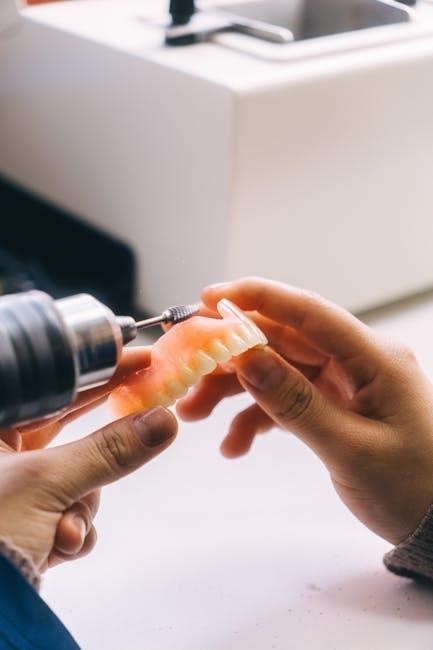
It’s important to remain calm; anxiety can elevate blood pressure and worsen bleeding. If bleeding continues excessively or doesn’t respond to gentle pressure, contact your dentist immediately. They may provide specific instructions or request an office visit to address the issue. Remember, consistent pressure from the denture and gentle care are key to managing post-extraction bleeding effectively.
Pain Management – First 24 Hours
Expect some discomfort following the extraction and immediate denture placement. However, effective pain management is vital for a positive initial recovery experience. Your dentist will likely prescribe pain medication; take it precisely as directed, even if you feel minimal discomfort initially. Do not exceed the recommended dosage.
Over-the-counter pain relievers, such as ibuprofen or acetaminophen, can supplement prescribed medication, but always consult your dentist before combining them. Applying cold compresses to the cheeks in 20-minute intervals can also help reduce pain and swelling.
The denture itself provides some support and can minimize discomfort. Avoid strenuous activity during the first 24 hours, as this can increase pain and swelling. If pain persists or worsens despite medication, contact your dentist promptly. Proactive pain management ensures a more comfortable and successful healing process.
Short-Term Care (Days 2-7)
As initial healing progresses, gentle denture removal and cleaning become essential. Regular salt water rinses, cold compresses, and a soft food diet aid recovery.
Denture Removal and Cleaning (After 24 Hours)
After the initial 24-hour period, a consistent routine of denture removal and cleaning is crucial for maintaining oral hygiene and promoting healing. Gently remove your immediate dentures twice daily, as instructed by your dentist. This allows the extraction sites to breathe and prevents the buildup of bacteria.
When cleaning, use a soft-bristled toothbrush and a mild denture cleanser or toothpaste. Avoid abrasive cleaners, as they can damage the denture’s surface. Thoroughly rinse the denture under running water to remove any remaining debris. It’s equally important to gently cleanse your gums, tongue, and the inside of your mouth with a soft cloth or toothbrush.
Remember to replace the denture immediately after cleaning. Prolonged removal can lead to swelling, making reinsertion difficult. Swelling is a natural part of the healing process, and keeping the denture in place helps to manage it. If you experience any difficulty reinserting the denture, contact your dentist for assistance.
Salt Water Rinses – Frequency and Technique
Gentle salt water rinses are a cornerstone of post-operative care following immediate denture placement, promoting healing and preventing infection. Begin rinsing your mouth gently with warm salt water approximately twice a day, starting the day after your extractions, or as directed by your dentist.
To prepare the solution, dissolve one teaspoon of table salt in a glass of warm water. Avoid vigorous swishing, as this can disrupt the healing process. Instead, gently roll the salt water around in your mouth, focusing on the extraction sites. Allow the solution to passively cleanse the area for about 30 seconds before carefully spitting it out.
Continue these rinses consistently for several days, or until your dentist advises you to discontinue. Salt water helps reduce inflammation, keeps the extraction sites clean, and encourages tissue regeneration. Avoid using mouthwashes containing alcohol, as they can irritate the sensitive tissues.
Swelling Management – Cold Compresses
Managing post-extraction swelling is crucial for comfort and optimal healing after receiving immediate dentures. Applying cold compresses to the outside of your cheeks helps constrict blood vessels, minimizing inflammation and reducing discomfort.

In the first 24-48 hours following the procedure, apply an ice pack or a bag of frozen vegetables (wrapped in a thin cloth to protect your skin) to the affected areas for 20 minutes at a time, then remove for 20 minutes. Repeat this cycle throughout the day.
Consistent application of cold compresses is most effective during the initial swelling phase. After 48 hours, you may switch to warm compresses if desired, as they can help increase blood flow and promote healing. However, continue to monitor your comfort level and adjust accordingly. Avoid direct contact between ice and skin to prevent frostbite.
Dietary Considerations – Soft Food Choices
Following a soft food diet is essential during the initial healing phase after immediate denture placement. This minimizes pressure on the extraction sites and allows tissues to heal without disruption. Avoid hard, crunchy, sticky, or chewy foods that could cause discomfort or damage the healing process.
For the first few days, focus on liquids and pureed foods like yogurt, applesauce, broth, and smoothies. Gradually introduce softer options such as mashed potatoes, scrambled eggs, cooked cereals, and well-cooked pasta.
Ensure foods are lukewarm or cool in temperature, as hot foods can exacerbate swelling and discomfort. Avoid spicy or acidic foods that may irritate the extraction sites. As healing progresses, you can slowly reintroduce more solid foods, but continue to exercise caution and listen to your body. Hydration is also key – drink plenty of water!
Long-Term Care & Adjustments (Weeks 2-8)
Expect changes in denture fit as gums heal and reshape. Regular follow-up appointments are crucial for adjustments, ensuring comfort and proper function over time.
Expected Changes in Denture Fit
Significant changes in denture fit are entirely normal during the initial weeks and months following immediate denture placement. This is because the extraction sites undergo considerable healing and bone remodeling. Immediately after extraction, the dentures are fabricated to fit over swollen and healing tissues.
As swelling subsides and the gums begin to shrink and reshape, the denture may feel looser, particularly during the first 6-8 months. You might experience some rocking or movement of the denture, and potentially some sore spots developing as the pressure distribution changes. These adjustments are a natural part of the process, as your mouth adapts to the absence of teeth and the new denture.
It’s important to understand that immediate dentures are considered temporary and are designed to be replaced with a final, more precisely fitted denture once the healing process is complete. Regular check-ups with your dentist are vital to monitor these changes and make necessary adjustments to the denture liner or base to maintain comfort and function.
Follow-Up Appointments – Importance and What to Expect
Regular follow-up appointments are crucial for successful adaptation to your immediate dentures. Your dentist will monitor the healing process, assess denture fit, and address any concerns you may have. Expect an initial appointment within the first week post-extraction to check for proper wound healing and ensure the denture isn’t causing excessive pressure.
Subsequent appointments will be scheduled at intervals of 2-4 weeks for the first few months, then less frequently as healing progresses. During these visits, the dentist will evaluate the denture’s stability, look for sore spots, and potentially adjust the denture liner to improve comfort and function.
Be prepared to discuss any difficulties you’re experiencing – whether it’s with speech, chewing, or denture stability. Your feedback is essential for making necessary adjustments. Ultimately, these appointments ensure a comfortable and functional transition to your final dentures, typically after 6-8 months of healing and remodeling.
Denture Liner Adjustments
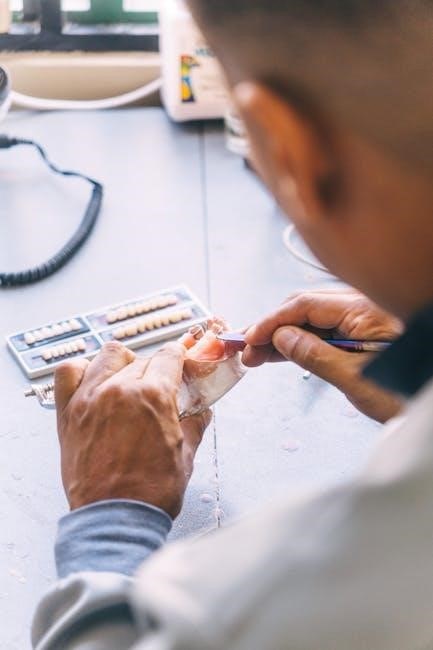
Immediate dentures are initially fitted over fresh extraction sites, leading to inevitable changes in the gum tissues as they heal. This healing process often necessitates adjustments to the denture liner for optimal comfort and fit. The liner, typically a soft material, cushions the gums and distributes biting forces.
As swelling subsides and bone remodels, the denture may feel loose or create pressure points. Your dentist will reline the denture, adding material to fill gaps and ensure a snug, stable fit. This can be done with a temporary soft liner or a more permanent acrylic reline.
Multiple reline appointments may be required during the first few months. Don’t attempt to adjust the denture yourself; professional adjustments are vital to prevent further irritation or damage. Properly adjusted liners promote healing, improve chewing efficiency, and enhance overall denture satisfaction.
Potential Sore Spots and How to Address Them
Sore spots are common with immediate dentures as the gums adapt to the new appliance. These areas of discomfort arise from pressure points on healing tissues. Initially, minor soreness is expected and often resolves within a few days. However, persistent or worsening pain requires attention.
If you experience sore spots, do not attempt self-treatment by adjusting the denture. Contact your dentist immediately. They can identify the source of the irritation and make necessary adjustments to relieve the pressure. This might involve a denture reline or selective grinding of the denture base.
Temporary relief can be found by avoiding hard or chewy foods and maintaining meticulous oral hygiene. Your dentist may also recommend a topical oral anesthetic for short-term comfort. Ignoring sore spots can lead to ulceration and delayed healing, so prompt professional intervention is crucial.
Hygiene and Maintenance
Consistent cleaning safeguards your oral health and extends denture life. Gently brush daily with denture cleaner, avoiding harsh products, and store securely when not in use.
Daily Denture Cleaning Routine
Establishing a consistent daily cleaning routine is paramount for maintaining both your oral health and the longevity of your immediate dentures. After each meal, it’s crucial to remove your dentures and thoroughly rinse them under cool running water to remove loose food particles and debris.
Avoid using abrasive household cleaners, as these can damage the denture material. Instead, utilize a specialized denture brush and a mild denture cleanser. Gently brush all surfaces of the denture, paying particular attention to areas that fit closely against your gums.
Never use regular toothpaste, as its abrasive nature can create microscopic scratches where bacteria can accumulate. After brushing, rinse the dentures again thoroughly. When not wearing your dentures, store them in a denture cleaning solution or plain water to prevent them from drying out and warping. Soaking them overnight helps maintain their shape and prevents staining. Remember to brush your gums, tongue, and palate with a soft-bristled toothbrush to remove plaque and stimulate circulation.
Avoiding Harsh Cleaning Products
Protecting your immediate dentures requires careful consideration of the cleaning agents used. Many common household products can cause irreversible damage, compromising their fit and appearance. Avoid using abrasive cleaners like bleach, vinegar, or strong detergents, as these can dull the denture surface and create microscopic fractures.
Steer clear of hot water when cleaning, as it can warp the acrylic material, altering the denture’s shape and fit. Similarly, avoid using whitening toothpastes or abrasive dental powders, designed for natural teeth, as they will scratch the denture surface.
Instead, opt for denture-specific cleaning solutions recommended by your dentist. These are formulated to effectively remove stains and debris without causing harm. A soft-bristled denture brush is essential; avoid using regular toothbrushes, which are often too abrasive. If you’re unsure about a product’s suitability, always consult your dental professional to ensure you’re using safe and effective cleaning methods.
Proper Denture Storage
When not in use, proper denture storage is crucial for maintaining their integrity and hygiene. Never allow your dentures to dry out, as this can cause warping and dimensional changes, impacting their fit. Always store them in a complete immersion solution, specifically designed for dentures, or clean water.
A dedicated denture container is essential to protect them from damage and accidental breakage. Ensure the container is securely closed to prevent contamination. Avoid storing dentures in hot or direct sunlight, as this can also lead to warping.
Regularly change the storage solution to maintain a clean and sanitary environment. Never store dentures with other dental appliances, like retainers or mouthguards. Proper storage, alongside diligent daily cleaning, significantly extends the lifespan of your immediate dentures and contributes to optimal oral health.
When to Contact Your Dentist
Prompt communication with your dentist is vital for a successful recovery with immediate dentures. Don’t hesitate to reach out if you experience persistent, uncontrolled bleeding that doesn’t subside with gentle pressure. Severe, unmanageable pain that isn’t relieved by prescribed medication warrants immediate attention.
Contact your dentist if you notice signs of infection, such as fever, chills, or increased swelling and redness around the extraction sites. Ill-fitting dentures causing significant discomfort, sores, or difficulty eating require professional adjustment.
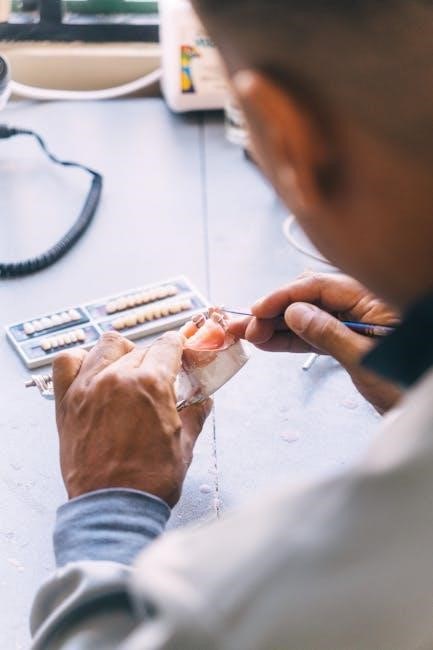
Report any broken or cracked dentures immediately to prevent further damage and potential injury. If you’re unable to reinsert your dentures after the initial 24-hour period, or experience unusual changes in your bite, schedule an appointment. Regular check-ups and open communication ensure optimal healing and denture function.