quad cortex manual

Quad Cortex stands as the most potent floor modeler available, delivering 2GHz of DSP power. Its quad SHARC architecture effortlessly handles complex signal chains and multiple instruments simultaneously.
The intuitive 7-inch multi-touch display and unique stomp/rotary actuators provide a seamless user experience, making function access remarkably quick and efficient.
Overview of the Quad Cortex Modeler
The Quad Cortex represents a paradigm shift in the world of guitar modeling and effects processing. It’s not merely an upgrade to existing floor modelers; it’s a complete reimagining of what’s possible, boasting an unprecedented level of power and flexibility. At its core, the Quad Cortex is designed to be a comprehensive solution for guitarists, bassists, and even vocalists, capable of replicating a vast array of tones and creating entirely new sonic landscapes.
Driven by six dedicated processor cores – four SHARC DSPs and two ARM Cortex-A5s – operating at 500MHz each, the Quad Cortex delivers a staggering 2GHz of processing power. This allows for the simultaneous processing of up to four independent instruments, each with its own unique effects chain. The device isn’t limited to just replicating existing gear; it empowers users to build custom signal chains, experiment with unconventional effects combinations, and push the boundaries of sound design.
Beyond its raw processing power, the Quad Cortex distinguishes itself through its intuitive user interface, featuring a vibrant 7-inch multi-touch display and responsive stomp/rotary actuators. The Quad Cortex Wiki, a community-driven resource, further enhances the user experience, providing a wealth of information, shared presets, and helpful tips. Regular updates to the Quad Cortex User Manual (latest version November 26th, 2025) ensure users have access to the latest features and functionalities.
Key Features and Specifications (as of 01/24/2026)
As of January 24th, 2026, the Quad Cortex boasts a formidable specification list. The core processing power stems from 6 cores: 4x SHARC DSPs and 2x ARM Cortex-A5 processors, each running at 500MHz, totaling 2GHz of DSP capability. This allows for the simultaneous processing of up to four instruments, each with independent effects chains.

The device features a vibrant 7-inch multi-touch display for intuitive navigation and control. Physical interaction is facilitated by proprietary stomp and rotary actuators, offering tactile control over parameters. Connectivity includes multiple input/output options, ensuring compatibility with various setups.
Software features are equally impressive, with Cortex Control software (compatible with both Mac and Windows) enabling deep editing and preset management. The latest User Manual (updated November 26th, 2025) provides comprehensive guidance; Access to Neural DSP Downloads, including apps and drivers, ensures optimal performance. The Quad Cortex Device List (November 26th, 2025) details supported amps, cabs, and effects. The community-run Quad Cortex Wiki serves as a valuable resource for users seeking shared knowledge and presets.
Quad Cortex vs. Other Floor Modelers
The Quad Cortex distinguishes itself from competing floor modelers through sheer processing power and architectural design. While many modelers rely on fewer cores or less potent processors, the Quad Cortex’s 6-core system (4x SHARC, 2x ARM Cortex-A5 at 500MHz) delivers 2GHz of dedicated DSP, enabling unparalleled sonic flexibility.
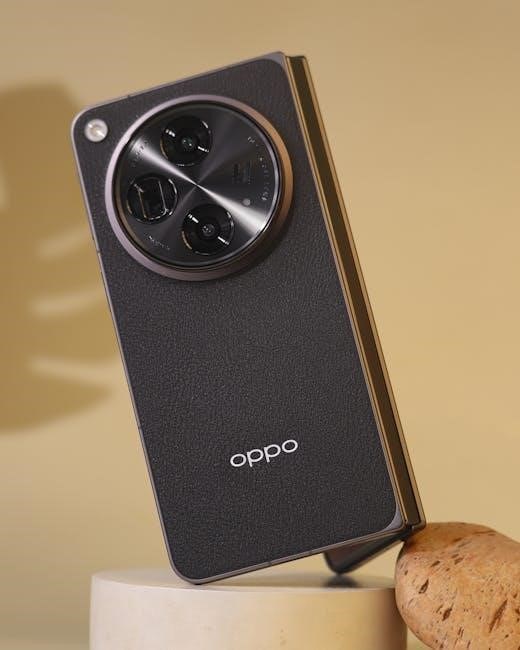
This superior processing capacity translates to the ability to run more complex signal chains and simultaneously process up to four instruments – a capability exceeding most alternatives. Furthermore, the Cortex Control software provides a depth of editing and customization often absent in other units.
Compared to traditional modelers, the Quad Cortex’s neural modeling technology aims for greater realism and responsiveness. The active community contributing to the Quad Cortex Wiki and sharing resources also sets it apart, fostering a collaborative environment. While other modelers offer similar features, the combination of power, software, and community support positions the Quad Cortex as a leading contender in the high-end floor modeling market, as detailed in the latest User Manual (November 26th, 2025).

Hardware Components
Quad Cortex features a robust build, highlighted by a vibrant 7-inch multi-touch display for intuitive navigation. Proprietary stomp and rotary actuators provide tactile control over parameters and effects.
Physical Design and Build Quality
The Quad Cortex boasts a remarkably solid and durable construction, designed to withstand the rigors of touring and frequent use. Its chassis is crafted from high-grade materials, ensuring longevity and reliability on stage or in the studio. The unit’s compact footprint maximizes portability without compromising on functionality.
Neural DSP prioritized a sleek, modern aesthetic. The device’s form factor is intentionally minimalist, focusing on usability and visual appeal. The robust metal enclosure protects the internal components, while also contributing to the overall premium feel. Attention to detail is evident in the seamless integration of the 7-inch multi-touch display and the tactile stomp/rotary actuators.
The build quality extends to the footswitches and rotary controls, which are engineered for precise operation and long-term durability. The overall design philosophy centers around creating a professional-grade tool that feels as good as it sounds, offering musicians a reliable and inspiring platform for their creativity. The Quad Cortex is built to last, providing years of dependable performance.
7-inch Multi-Touch Display
The Quad Cortex features a vibrant and responsive 7-inch multi-touch display, serving as the central hub for navigating the device’s extensive features. This high-resolution screen provides a clear and intuitive interface for accessing presets, adjusting parameters, and customizing signal chains.
The multi-touch capability allows for fluid and precise control, enabling users to quickly dial in tones and make real-time adjustments during performances. Gestures like swiping, pinching, and tapping are fully supported, mirroring the experience of modern smartphones and tablets. The display’s brightness and contrast are adjustable, ensuring optimal visibility in various lighting conditions.
Beyond basic navigation, the display facilitates visual feedback for effects parameters, waveform analysis, and tuner functionality. It also supports custom screen layouts, allowing users to prioritize the information most relevant to their workflow. The responsive touchscreen and clear visuals contribute significantly to the Quad Cortex’s overall user-friendliness and efficiency.
Stomp and Rotary Actuators
Complementing the 7-inch touchscreen, the Quad Cortex incorporates proprietary stomp and rotary actuators, offering a tactile and expressive control experience. These physical controls are designed to replicate the feel of traditional guitar pedals and amplifier knobs, providing a familiar interface for musicians accustomed to analog gear.
The stomp actuators are robust and responsive, allowing for quick and precise engagement/disengagement of effects. They are strategically positioned for easy access during live performances, minimizing the need to look down at the display. The rotary actuators provide smooth and accurate control over parameters like gain, volume, and tone, offering a more nuanced adjustment experience than traditional digital knobs.
These actuators are fully customizable, allowing users to assign them to any parameter within the Quad Cortex’s signal chain. This flexibility enables personalized control schemes tailored to individual playing styles and preferences. The combination of touchscreen and physical controls delivers a uniquely versatile and intuitive user experience.

Core Technology & Processing Power
Quad Cortex boasts 6 cores – 4x SHARC and 2x ARM Cortex-A5 at 500MHz each – delivering immense DSP power. This architecture enables processing up to four instruments simultaneously.
DSP Architecture: SHARC and ARM Cortex-A5 Cores
Quad Cortex’s exceptional processing capabilities stem from its hybrid DSP architecture, skillfully combining Analog Devices SHARC and ARM Cortex-A5 cores. The four SHARC (Super Harvard Architecture Computer) cores are dedicated to the core audio processing tasks – modeling amplifiers, cabinets, and effects. These are renowned for their floating-point performance and efficiency in complex signal processing.
Complementing the SHARC cores are two ARM Cortex-A5 cores. These handle the user interface, networking, and overall system management. This division of labor ensures that the audio processing remains unburdened, delivering consistently low latency and a responsive playing experience. Each SHARC core operates at 500MHz, contributing to the total 2GHz of DSP power.
This specific configuration allows Quad Cortex to handle incredibly demanding tasks, such as running multiple complex effects chains concurrently, or processing signals from several instruments simultaneously, without compromising audio quality or performance. The synergy between SHARC and ARM cores is fundamental to the device’s power and versatility.
Total Processing Capacity: 2GHz DSP Power
Quad Cortex boasts an impressive 2GHz of dedicated Digital Signal Processing (DSP) power, making it arguably the most powerful floor modeler currently available. This substantial processing capacity is achieved through a combination of four SHARC cores and two ARM Cortex-A5 cores, each operating at 500MHz. This isn’t simply a matter of clock speed; it’s the efficient architecture and optimized code that unlock the true potential.
What does 2GHz of DSP power mean for the user? It translates to the ability to run incredibly complex signal chains – multiple amplifiers, cabinets, and effects – without any noticeable latency or performance degradation. It allows for the simultaneous processing of up to four independent instruments, each with its own dedicated effects chain.
This level of power opens up limitless sound design possibilities, enabling users to create truly unique and inspiring tones. Whether you’re sculpting pristine cleans, crushing high-gain leads, or experimental soundscapes, Quad Cortex has the headroom to handle it all with ease and precision.
Simultaneous Processing Capabilities (Up to Four Instruments)
A defining feature of the Quad Cortex is its remarkable ability to process up to four independent instruments concurrently. This isn’t limited to simply layering sounds; each instrument can have its own completely separate signal chain, including distinct amplifiers, cabinets, effects, and routing configurations. Imagine running a guitar, bass, keyboard, and vocals – all through the Quad Cortex, each with a tailored sonic signature.
This capability is made possible by the unit’s substantial 2GHz of DSP power and efficient architecture. Each instrument’s processing is isolated, preventing unwanted interactions or sonic bleed-through. Users can create complex setups for live performance or studio recording, offering unparalleled flexibility.
Furthermore, the Quad Cortex allows for intricate routing between these instruments. Signals can be sent to auxiliary effects, split into parallel paths, or blended together in creative ways. This opens up a world of sonic experimentation and allows musicians to craft truly unique and dynamic soundscapes, pushing the boundaries of what’s possible with a floor modeler.

Software & User Interface
Quad Cortex boasts an intuitive interface navigable via its 7-inch multi-touch display and proprietary stomp/rotary actuators. Cortex Control software (Mac & Windows) expands editing options.
The November 26th, 2025 user manual provides comprehensive guidance.
Navigating the Quad Cortex Interface
Quad Cortex’s user interface is centered around its vibrant 7-inch multi-touch display, designed for both immediacy and depth. The core philosophy prioritizes a streamlined workflow, allowing guitarists and bassists to quickly access and modify tones without getting lost in complex menus.
The main screen presents a clear overview of the current signal chain, with easily identifiable blocks representing amplifiers, cabinets, effects, and utilities. Tapping on any block reveals detailed parameters for customization. The intuitive drag-and-drop functionality enables effortless reordering of effects, facilitating experimentation and tone sculpting.
Complementing the touchscreen are the physical stomp and rotary actuators. These provide tactile control over essential parameters, allowing for real-time adjustments during performance. The rotary actuators can be assigned to various functions, such as volume, gain, or effect depth, offering a hands-on experience. Swiping gestures on the screen navigate between different presets and scenes, while dedicated buttons provide quick access to tuner, looper, and other key features. The November 26th, 2025 user manual details all navigation aspects.
Cortex Control Software (Mac & Windows)

Cortex Control is the companion software for the Quad Cortex, available for both Mac and Windows operating systems. It expands the functionality of the hardware, offering a more comprehensive environment for tone editing, preset management, and firmware updates.
The software mirrors the Quad Cortex’s interface, providing a familiar visual experience. However, it unlocks advanced features such as detailed signal chain visualization, precise parameter adjustments, and the ability to create and share custom presets with the Neural DSP community. Users can import and export tones, back up their settings, and organize their library with ease.
Cortex Control also facilitates firmware updates, ensuring the Quad Cortex remains current with the latest improvements and features. The software seamlessly integrates with the device, allowing for real-time parameter adjustments and monitoring. The November 26th, 2025 Cortex Control User Manual provides detailed instructions on installation, operation, and troubleshooting. It’s a crucial tool for maximizing the Quad Cortex’s potential.
User Manual Updates (November 26th, 2025 Version)
The Quad Cortex User Manual, last updated on November 26th, 2025, represents a significant refinement of the documentation accompanying Neural DSP’s flagship floor modeler. This version incorporates feedback from the user community and addresses frequently asked questions, ensuring a more intuitive and comprehensive learning experience.
Key updates include expanded sections on advanced routing options, detailed explanations of the stomp and rotary actuator functionality, and clarified instructions for utilizing the Quad Cortex’s multi-instrument processing capabilities. The manual also features improved troubleshooting guides, covering common issues and providing step-by-step solutions.
Furthermore, the November 26th release includes a dedicated section on utilizing Cortex Control software, detailing its features and integration with the hardware. The Quick Start Guide has been revised for clarity, and new examples of preset creation are included. Accessing the latest version is crucial for unlocking the full potential of the Quad Cortex and staying informed about its evolving features.

Resources & Support
Neural DSP provides extensive support, including the community-driven Quad Cortex Wiki. Access apps, drivers, and the latest User Manual (November 26th, 2025) via their downloads section.
Quad Cortex Wiki (Community-Run Resource)

Welcome to the Quad Cortex Wiki, your go-to, unofficial resource meticulously crafted by and for the Neural DSP Quad Cortex community! This wiki serves as a collaborative hub, brimming with user-generated content dedicated entirely to the Quad Cortex modeler.
Every submission, every piece of information you find here, is contributed and maintained by fellow Quad Cortex enthusiasts – making it a truly community-driven endeavor. Whether you’re a seasoned pro or just starting your journey with the Quad Cortex, the wiki welcomes all contributions related to the device.
A particularly valuable section within the wiki is the Virtual Device List (VDL). The VDL provides detailed information regarding the amps, cabinets, and effects modeled within the Quad Cortex. For amplifiers, you’ll discover insights into the real-world amps that inspired the Quad Cortex’s digital recreations. This allows users to understand the origins and characteristics of each modeled tone.
The wiki is constantly evolving, so check back often for new information, tips, and tricks shared by the vibrant Quad Cortex community. It’s a fantastic place to learn, share, and connect with other users!
Neural DSP Downloads (Apps & Drivers)
Neural DSP provides essential downloads to ensure your Quad Cortex operates seamlessly and unlocks its full potential. These resources include dedicated applications and crucial drivers for both Mac and Windows operating systems. Accessing these downloads is vital for initial setup, firmware updates, and optimal performance.
Cortex Control, the companion software for your Quad Cortex, is available for download. This software allows for in-depth editing, preset management, and comprehensive control over your Quad Cortex directly from your computer. The Cortex Control User Manual (November 26th, 2025) provides detailed guidance on utilizing all its features.
Beyond the core Quad Cortex software, Neural DSP also offers a suite of plugins. While primarily known for their individual guitar plugins like Archetype Abasi (User Manual v2.0.0 ౼ June 08th, 2023) and vocal processing tools such as Mantra (User Manual ─ July 23rd, 2025), ensuring you have the latest drivers is key for compatibility and stability.
Regularly checking the Neural DSP downloads page guarantees you’re equipped with the most up-to-date tools for a superior Quad Cortex experience.

Device List (November 26th, 2025)
The Quad Cortex Device List (November 26th, 2025) is a comprehensive resource detailing the extensive library of amps, cabinets, and effects available within the Quad Cortex ecosystem. This list is crucial for understanding the breadth of sonic possibilities offered by the modeler.
The Virtual Device List (VDL), maintained by the community-driven Quad Cortex Wiki, provides detailed information about each modeled component. For amplifiers, the VDL specifies the real-world amplifiers that inspired the Quad Cortex’s digital recreations. This allows users to understand the tonal characteristics and origins of each amp model.
Similarly, the VDL details the cabinets paired with each amplifier, outlining their construction and sonic impact. The effects section of the list breaks down each effect, providing insights into its parameters and intended use. This detailed catalog is invaluable for sound design and preset creation.
The continually updated Device List ensures users have a clear understanding of the current capabilities of their Quad Cortex, and serves as a valuable reference point for exploring new tones.