southern baptist doctrine pdf

Southern Baptist doctrine encompasses a distinct set of beliefs, historically rooted in the Protestant Reformation and specifically shaped by the conventions’ evolving stances.
Bravo TV’s communities, alongside discussions about Southern Hospitality, reveal a broader cultural context where faith traditions are often debated and re-examined.
Recent discussions highlight ongoing conversations within Southern Baptist churches regarding women in leadership, demonstrating a dynamic interpretation of established doctrines.
The SBC’s official positions, like the 25-year ban on women pastors, coexist with practices in individual churches, showcasing a complex interplay of belief and practice.

Historical Roots of the SBC
The Southern Baptist Convention (SBC) emerged from a significant split within the Baptist denomination in 1845. This division stemmed from theological and socio-political disagreements, primarily concerning the issue of slavery. While Baptists generally advocated for religious liberty, differing views on whether slaveholders could simultaneously be church leaders created irreconcilable tensions.

Initially, the SBC was formed by Baptists in the Southern states who supported the institution of slavery and wished to maintain it. This foundational context is crucial for understanding the subsequent development of its doctrines and practices. The early SBC defended slavery using biblical interpretations that justified racial hierarchy.
However, over time, the SBC underwent a gradual shift, particularly in the 20th century, with increasing acknowledgement of the sinfulness of slavery and a commitment to racial reconciliation. Discussions within communities like those focused on Bravo TV’s shows, though unrelated to theology, reflect a broader societal reckoning with historical injustices. The SBC’s history is a complex narrative of theological evolution and social adaptation, impacting its current doctrinal stances.
Contemporary analysis of the SBC’s origins often involves examining primary source documents and historical records to understand the motivations and beliefs of its founders.
The Baptist Faith and Message (BF&M)
The Baptist Faith and Message (BF&M) serves as the official statement of faith for the Southern Baptist Convention. First adopted in 1925, and revised in 1963 and 2000, it articulates the core beliefs held by Southern Baptists across a range of theological topics. It’s a concise yet comprehensive summary of their understanding of Scripture, God, humanity, salvation, and the Church.
The BF&M isn’t considered an exhaustive theological treatise, but rather a guide for understanding and maintaining doctrinal consistency within the SBC. It’s used by churches for membership, teaching, and assessing the theological alignment of potential staff. The document reflects a commitment to traditional Christian beliefs, emphasizing the authority of the Bible and the importance of personal faith.
Interestingly, discussions within online communities, like those surrounding Southern Charm and Winter House, often touch upon themes of personal belief and moral frameworks, albeit in a different context. The BF&M’s ongoing revisions demonstrate a willingness to address contemporary issues while remaining grounded in historical Christian orthodoxy. It’s a living document, reflecting the SBC’s evolving understanding of faith.
Access to the BF&M is readily available in PDF format online, facilitating its study and dissemination.

Core Doctrinal Beliefs
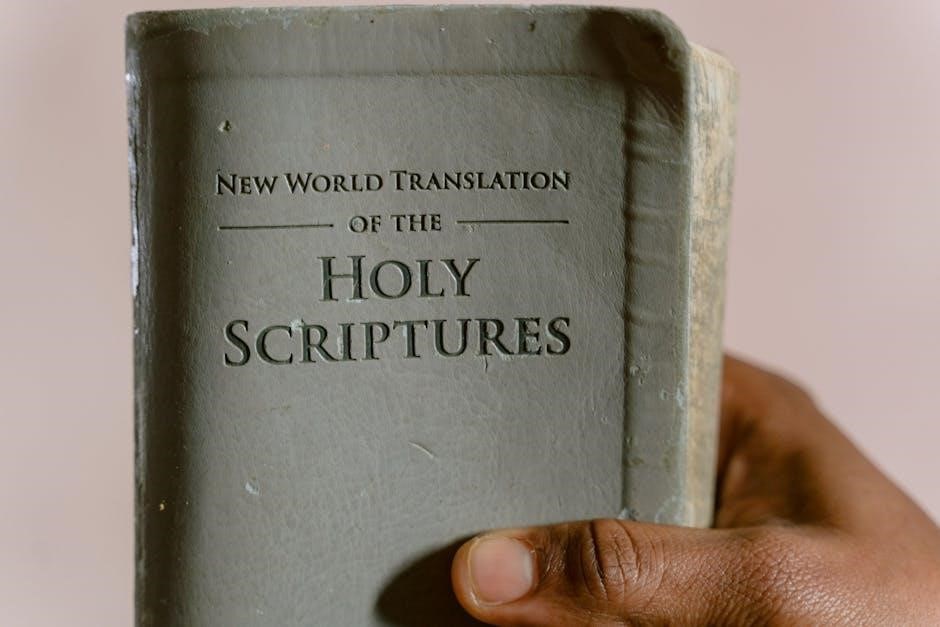
Southern Baptist core beliefs, detailed in the BF&M PDF, center on biblical inerrancy, the Trinity, salvation through faith, and the authority of Christ.
Online forums, even those focused on shows like Southern Hospitality, reveal a broader societal interest in exploring faith and moral convictions.
The Bible as the Inerrant Word of God
Central to Southern Baptist doctrine, as outlined in the Baptist Faith and Message (BF&M) PDF, is the absolute belief in the Bible’s inerrancy. This signifies that the Bible is without error in its original manuscripts and serves as the ultimate authority for faith and practice.
This conviction extends beyond mere historical or literary value; Southern Baptists believe the Bible is divinely inspired, a direct revelation from God. Every word is considered purposeful and trustworthy, guiding believers in all aspects of life.
Discussions online, even within communities centered around shows like Southern Charm and Southern Hospitality, demonstrate a broader cultural engagement with questions of faith and truth. While these forums aren’t theological debates, they reflect a society grappling with differing worldviews.
The BF&M clarifies that while translations may contain minor imperfections, the underlying message remains pure and authoritative. This inerrancy isn’t simply about factual accuracy, but about the Bible’s complete reliability in matters of salvation and spiritual truth, forming the bedrock of their theological framework.
The Doctrine of God (Theology Proper)
Southern Baptist theology proper, detailed within the Baptist Faith and Message (BF&M) PDF, centers on the belief in one eternal, holy, and sovereign God. This God is understood to be the creator of all things, existing independently of creation itself.
The BF&M articulates a classical theistic understanding, emphasizing God’s attributes – including immutability, impassibility (though nuanced interpretations exist), and aseity (self-existence). These attributes define a God who is perfect, complete, and utterly distinct from humanity.
Online communities, like those discussing Southern Charm or Winter House, often reflect societal shifts in understanding authority and tradition. However, within Southern Baptist circles, God’s sovereignty remains paramount.
This doctrine isn’t merely abstract; it informs the entire system of belief. God’s character dictates His interactions with humanity, His provision of salvation, and His ultimate plan for the universe, as outlined in the foundational documents of the SBC.
The Trinity: Father, Son, and Holy Spirit
Central to Southern Baptist doctrine, as detailed in the Baptist Faith and Message (BF&M) PDF, is the doctrine of the Trinity: one God eternally existing in three distinct persons – Father, Son (Jesus Christ), and Holy Spirit. This isn’t viewed as three separate gods, but as three co-equal, co-eternal persons within a single divine being.

The BF&M affirms the full deity of each person. The Father is God, the Son is God, and the Holy Spirit is God, yet each maintains a unique role and relationship within the Godhead. This complex concept is considered a foundational truth, essential for understanding salvation.
Discussions within online communities, even those focused on shows like Southern Charm, often touch upon themes of relationships and identity. Similarly, Trinitarian theology explores the relational nature of God.
Understanding the Trinity is crucial, as it shapes Southern Baptist views on worship, prayer, and the very nature of God’s love and grace extended to humanity, as meticulously outlined in their doctrinal statements.
God’s Attributes: Omniscience, Omnipotence, Omnipresence
Southern Baptist theology, as codified in the Baptist Faith and Message (BF&M) PDF, attributes to God perfections encompassing omniscience (all-knowing), omnipotence (all-powerful), and omnipresence (present everywhere). These aren’t merely abstract qualities, but define God’s very nature and actions.
Omniscience means God knows all things – past, present, and future – perfectly and completely. Omnipotence signifies God’s unlimited power to accomplish His will. Omnipresence affirms God’s constant and pervasive presence throughout creation.
These attributes aren’t isolated; they work in harmony. God’s knowledge informs His power, and His power is exercised in accordance with His perfect wisdom, all while being present with His creation.
Even in online spaces discussing shows like Southern Hospitality, the desire for understanding and control reflects a human longing for attributes mirroring God’s own. The BF&M emphasizes these attributes as foundational to faith and trust in a sovereign God.
The Doctrine of Christ (Christology)
Southern Baptist Christology, detailed within the Baptist Faith and Message (BF&M) PDF, centers on the person and work of Jesus Christ. It affirms His full deity – eternally God – and His complete humanity – truly man, born of the Virgin Mary.
This dual nature isn’t a compromise, but a crucial element of redemption. Christ, as God, possesses the infinite worth necessary to atone for sin. As man, He could represent humanity and experience its suffering.
The BF&M emphasizes Christ’s pre-existence, His sinless life, His substitutionary death on the cross, His bodily resurrection, and His future return. These events are not merely historical, but are central to salvation.
Discussions surrounding shows like Southern Charm, though seemingly distant, often touch upon themes of morality and redemption, indirectly highlighting the human need for a savior. Southern Baptist doctrine firmly establishes Jesus Christ as that savior, the only path to reconciliation with God.
The Deity of Christ
Southern Baptist doctrine, as outlined in the Baptist Faith and Message (BF&M) PDF, unequivocally affirms the full deity of Jesus Christ. He is not merely a great teacher, prophet, or even a uniquely inspired man, but God incarnate – God in human flesh.
This belief stems from scriptural interpretations demonstrating Christ’s divine attributes: eternality, omnipotence, omniscience, and omnipresence. The BF&M highlights passages attributing divine names and titles to Jesus, such as “Lord” and “God.”
Denials of Christ’s deity are considered heretical within Southern Baptist theology. The incarnation is not a demotion of God, but a revelation of His love and a means of salvation for humanity.
Even within broader cultural conversations, like those surrounding Southern Hospitality, the search for meaning and purpose often points to a longing for something transcendent – a longing Southern Baptists believe is fulfilled only through recognizing Jesus Christ as fully God.
The Atonement: Christ’s Sacrifice for Sin
Central to Southern Baptist doctrine, detailed in the Baptist Faith and Message (BF&M) PDF, is the doctrine of the atonement – Christ’s sacrificial death as the sole and sufficient payment for human sin. This isn’t merely an example of love, but a legal transaction satisfying God’s justice.
The BF&M emphasizes various aspects of the atonement: substitution, where Christ bore the penalty we deserve; propitiation, appeasing God’s wrath; reconciliation, restoring a broken relationship; and redemption, buying back humanity from slavery to sin;
This sacrifice wasn’t accidental; it was a planned, purposeful act of God’s grace; Without the atonement, humanity would remain eternally separated from God due to the inherent penalty of sin.
Even discussions within communities like those focused on Southern Charm and Winter House, often centered on interpersonal conflicts, subtly reveal the human need for forgiveness and restoration – a need ultimately met through Christ’s atoning work.
The Doctrine of the Holy Spirit (Pneumatology)
Southern Baptist Pneumatology, as outlined in the Baptist Faith and Message (BF&M) PDF, affirms the Holy Spirit as the third person of the Trinity – fully God, co-equal with the Father and the Son. The Spirit isn’t a mere force, but a divine person with intellect, emotions, and will.
The BF&M details the Spirit’s crucial roles: convicting the world of sin, regenerating hearts, indwelling believers, empowering for service, and illuminating God’s Word. These aren’t isolated acts, but a continuous work of grace.
The Spirit’s gifting of believers for ministry is also emphasized, enabling them to fulfill the Great Commission. This gifting isn’t for individual glory, but for the edification of the church.
Interestingly, even online communities discussing shows like Southern Hospitality, reveal a search for meaning and connection – a longing the Holy Spirit addresses by drawing individuals into a relationship with God and one another.
The Personhood of the Holy Spirit
Southern Baptist doctrine, detailed within the Baptist Faith and Message (BF&M) PDF, unequivocally asserts the personhood of the Holy Spirit. This isn’t simply an impersonal force or influence, but a distinct divine person, fully God, possessing all the attributes of deity.
The BF&M refutes any notion of “it” when referring to the Spirit, consistently employing personal pronouns. This reflects a biblical understanding where the Spirit teaches, guides, intercedes, and grieves – actions requiring personality.
Evidence for the Spirit’s personhood is drawn from scripture, including instances where the Spirit speaks, is lied to, and commands. These actions demonstrate consciousness, will, and emotion.
Even within seemingly unrelated online spaces, like discussions about Southern Charm and Winter House, a search for genuine connection and understanding hints at the human need for a personal relationship – mirroring the relational nature of the Holy Spirit.
The Work of the Holy Spirit: Regeneration & Sanctification
Southern Baptist doctrine, as outlined in the Baptist Faith and Message (BF&M) PDF, highlights two pivotal works of the Holy Spirit: regeneration and sanctification. Regeneration is the Spirit’s instantaneous work of granting spiritual life to a dead sinner, enabling faith in Christ.
This isn’t merely a reforming of the old nature, but a complete spiritual rebirth, a “new creation” (2 Corinthians 5:17). Following regeneration, the Spirit initiates and sustains the process of sanctification – progressive growth in holiness.
Sanctification isn’t perfection achieved in this life, but a lifelong journey of becoming more Christ-like, empowered by the Spirit. It involves mortifying sin and cultivating virtue, guided by the Word of God.
Interestingly, even online communities focused on reality television, like those discussing Southern Charm, often reveal a desire for personal growth and transformation, echoing the Spirit’s work of sanctification in believers’ lives.
Salvation and Soteriology
Southern Baptist soteriology, detailed in the BF&M PDF, centers on God’s gracious initiative in salvation, achieved through Christ’s atoning sacrifice and received by faith.
Discussions surrounding shows like Southern Hospitality indirectly reflect humanity’s inherent need for redemption and a search for meaning beyond superficiality.
The PDF emphasizes that salvation is entirely God’s work, from election to glorification, with human response being faith, enabled by the Holy Spirit.
The Doctrine of Sin
Southern Baptist doctrine, as outlined in the Baptist Faith and Message (BF&M) PDF, presents a comprehensive understanding of sin, stemming from humanity’s original fall in the Garden of Eden. This foundational event, detailed within the document, resulted in a corrupted nature inherited by all descendants of Adam.
The PDF articulates that sin isn’t merely a series of actions, but a state of separation from God, characterized by rebellion, disobedience, and a distorted moral compass. This inherent sinfulness affects every aspect of human existence – thoughts, emotions, and will.
Furthermore, the document emphasizes both the imputed guilt of Adam’s sin and the individual’s personal responsibility for their own transgressions. Sin is defined as any thought, word, or deed that falls short of God’s perfect standard, as revealed in His Word.
Interestingly, even discussions surrounding shows like Southern Charm, though seemingly unrelated, often portray characters grappling with flawed behavior and the consequences of poor choices, subtly echoing this inherent human struggle with sinfulness.
The BF&M PDF clearly states that humanity is utterly incapable of saving itself from the penalty of sin, necessitating divine intervention through Jesus Christ.
Justification by Faith
Southern Baptist doctrine, meticulously detailed in the Baptist Faith and Message (BF&M) PDF, centers on justification by faith as the sole means of reconciliation with God. This doctrine asserts that individuals are declared righteous in God’s sight, not through personal merit or good works, but solely through faith in the finished work of Jesus Christ on the cross.
The PDF clarifies that justification is a legal declaration, a pronouncement of righteousness based on Christ’s imputed righteousness. It’s not a process of becoming righteous, but of being declared righteous, despite remaining sinfulness in this life.
This belief directly opposes any notion of salvation by works, emphasizing God’s grace as the exclusive source of salvation. The BF&M PDF stresses that faith isn’t merely intellectual assent, but a trusting reliance on Christ alone for salvation.
Even within the context of communities discussed on platforms like Bravo TV’s show forums, the search for acceptance and worth often mirrors humanity’s inherent need for justification, albeit sought in worldly rather than divine terms.
The PDF concludes that justification is instantaneous and complete, providing assurance of salvation and a right standing before God.
Regeneration and Conversion
Southern Baptist doctrine, as outlined in the Baptist Faith and Message (BF&M) PDF, defines regeneration as a supernatural work of God, initiated by the Holy Spirit, which imparts new spiritual life to those who are dead in sin. This isn’t simply reform, but a complete transformation of the inner person, enabling a capacity to respond to God.
The PDF details that regeneration precedes conversion; one must be made spiritually alive before they can willingly turn to Christ. Conversion, then, is the voluntary response of the regenerated heart, encompassing a conscious turning away from sin and towards God, expressed through repentance and faith.
These concepts are inextricably linked, forming the initial stages of salvation. The BF&M PDF emphasizes that both are solely the work of God’s grace, though they require a human response enabled by the Spirit.
Interestingly, discussions within online communities, like those surrounding Bravo TV shows, often reflect a search for personal transformation, mirroring, in a secular context, the spiritual renewal described in the BF&M.
The PDF asserts that regeneration and conversion are definitive and irreversible, marking the beginning of a new life in Christ.

Ecclesiology: The Nature of the Church
Southern Baptist doctrine, detailed in the BF&M PDF, views the local church as an autonomous body, cooperating freely with others, for missions and fellowship.
Online communities, like those discussing Southern Charm, demonstrate a need for belonging, echoing the church’s role as a spiritual family.
The PDF emphasizes the church’s purpose: worship, evangelism, discipleship, and service, reflecting a commitment to both spiritual growth and community outreach.
This structure balances individual church independence with collaborative efforts, fostering a network of shared faith and purpose.
The Local Church: Autonomy and Cooperation
Central to Southern Baptist ecclesiology, as outlined in the Baptist Faith and Message (BF&M) PDF, is the principle of local church autonomy. Each congregation operates independently in matters of governance, worship style, and program implementation, free from external hierarchical control.
This autonomy doesn’t signify isolation, however. The BF&M also strongly affirms the importance of voluntary cooperation among Southern Baptist churches. This cooperation manifests through associations, state conventions, and ultimately, the Southern Baptist Convention itself.
These cooperative bodies facilitate shared missions endeavors, theological education through seminaries, and the distribution of resources to support church planting and ministry efforts. Discussions within online communities, like those surrounding Southern Charm and Winter House, often highlight the value of community, mirroring the cooperative spirit within the SBC.
The PDF emphasizes that cooperation is always a matter of choice, driven by shared convictions and a desire to advance the Gospel collectively; This balance between independence and collaboration is a defining characteristic of the Southern Baptist understanding of the church.
Baptism and the Lord’s Supper (Ordinances)
Southern Baptist doctrine, detailed within the Baptist Faith and Message (BF&M) PDF, recognizes Baptism and the Lord’s Supper as ordinances, not sacraments. This distinction signifies they are symbolic acts instituted by Christ, demonstrating a believer’s faith, rather than channels of grace in themselves.
Baptism is specifically understood as immersion of a professing believer in water, symbolizing their death to sin, burial with Christ, and resurrection to new life. It’s a public testimony of a prior conversion experience, not a means of achieving salvation.
The Lord’s Supper, or Communion, is a memorial feast commemorating Christ’s sacrificial death. Participation is reserved for those who have professed faith in Christ and are living in obedience. Like baptism, it serves as a reminder and celebration of God’s grace.
Online discussions, even those seemingly unrelated like those on Southern Hospitality, often touch upon themes of commitment and remembrance, echoing the significance of these ordinances within the Southern Baptist tradition as outlined in the PDF.
Church Leadership: Roles and Responsibilities
Southern Baptist doctrine, as articulated in the Baptist Faith and Message (BF&M) PDF, emphasizes the autonomy of the local church, influencing its leadership structure. Each church self-governs, determining its own organizational model, though certain principles are consistently upheld.
Pastors are typically viewed as spiritual leaders, responsible for preaching, teaching, and pastoral care. The PDF clarifies the role requires a man, reflecting a complementarian view of gender roles, a point of ongoing discussion within the convention.
Deacons serve alongside the pastor, assisting with practical ministry needs and supporting the church’s overall mission. Their roles are defined by the local church, varying in scope and responsibility.
Recent debates, highlighted in online forums like those discussing Southern Charm and related shows, indirectly reflect broader societal questions about authority and leadership, mirroring the ongoing conversations within Southern Baptist churches regarding roles and responsibilities as detailed in the PDF.

Last Things (Eschatology)
Southern Baptist eschatology, detailed in the PDF, affirms the literal Second Coming of Christ, resurrection, and a final judgment leading to Heaven or Hell.
Online discussions, even those about Southern Illinois lifestyles, reveal a human fascination with ultimate destinies, echoing core theological beliefs.
The PDF outlines a pre-millennial view, anticipating Christ’s return before a thousand-year reign, a foundational tenet of the faith.
The Second Coming of Christ
Southern Baptist doctrine, as detailed within the comprehensive PDF resource, places paramount importance on the visible, bodily return of Jesus Christ to Earth. This event isn’t merely symbolic; it’s a literal, future reality eagerly anticipated by believers.
The PDF articulates that Christ’s Second Coming will be personal, meaning He will return as the same Jesus who ascended into Heaven; It will also be pre-millennial, occurring before the establishment of His millennial kingdom on Earth – a period of peace and righteousness.
This return is described as both glorious and terrifying. For believers, it signifies redemption completed and eternal life secured. However, for unbelievers, it represents a day of judgment and accountability. The PDF emphasizes the necessity of personal preparation through faith in Christ.
Interestingly, even discussions within online communities like those focused on Bravo TV’s shows, or seeking connections in Southern Illinois, indirectly acknowledge a human longing for justice and resolution – themes intrinsically linked to the hope of Christ’s return.
Ultimately, the Second Coming isn’t simply a future event; it’s a motivating force for faithful living and evangelism, urging believers to share the Gospel message with a world in need of redemption.
Resurrection and Eternal Judgment
The Southern Baptist doctrine, thoroughly outlined in the accessible PDF, firmly believes in the bodily resurrection of both the righteous and the unrighteous. This isn’t a spiritual resurrection, but a physical one – a complete restoration of the body, though glorified for believers.
The PDF details that the resurrection is directly linked to Christ’s own resurrection, serving as the pattern and guarantee for all who trust in Him. Following the resurrection, eternal judgment will occur, a solemn and just assessment of every individual’s life.
For believers, judgment confirms their salvation and grants them entrance into eternal life in Heaven – a state of perfect fellowship with God, free from sin, suffering, and death. Conversely, the unrighteous face eternal separation from God in Hell.

Even seemingly unrelated online discussions, like those concerning Southern charm or finding stylists, subtly point to humanity’s inherent desire for fairness and accountability – mirroring the concept of divine judgment.
This doctrine isn’t intended to be a source of fear, but rather a call to repentance and faith, emphasizing the urgency of accepting God’s grace before the day of judgment arrives. It underscores the seriousness of life’s choices.
Heaven and Hell
The Southern Baptist doctrine, comprehensively detailed within the readily available PDF resource, presents Heaven as a state of eternal blessedness, a perfect dwelling place prepared by God for those who have placed their faith in Jesus Christ. It’s described not merely as an absence of suffering, but a positive reality of unending joy and intimate communion with God.
The PDF clarifies that Heaven is a tangible place, though its precise nature transcends full human comprehension. It’s a realm of perfect justice, holiness, and love, where believers will experience complete fulfillment and eternal life.
Conversely, Hell is depicted as a place of eternal separation from God, a consequence of rejecting His offer of salvation. It’s not simply a state of non-existence, but a conscious and agonizing experience of God’s righteous wrath.
Interestingly, even discussions about Southern Illinois lifestyles or Bravo TV shows hint at a human longing for belonging and aversion to isolation – reflecting the core concepts of Heaven and Hell.
This doctrine emphasizes the gravity of eternal choices and the importance of responding to God’s love and grace while there is still time, as outlined in the Southern Baptist faith.