free cross stitch charts pdf

What is a Cross Stitch Chart PDF?
A Cross Stitch Chart PDF is a digital diagram that maps each stitch to a specific color‚ allowing you to print and follow the design on fabric. Free PDFs provide instant access to thousands of patterns‚ from simple motifs to intricate scenes‚ all ready for stitching. Ideal for beginners and pros alike
Advantages of Using Free PDF Charts
Free PDF charts unlock a world of creativity by offering instant‚ no‑cost access to a vast library of designs. Because the files are downloadable‚ you can print multiple copies‚ experiment with different fabrics‚ or share with friends without any licensing fees. Many free charts come from reputable sources such as LoveCrafts‚ Fat Quarter Shop‚ SmartCrosstitch.com‚ and Coricamo‚ ensuring high quality and reliable color guides. The PDF format preserves the original grid resolution‚ so the stitch count remains accurate‚ preventing mis‑alignment when you transfer the pattern to your canvas. Digital charts also allow you to zoom in for detail or print at a larger scale for a more visible guide‚ which is especially helpful for beginners who need to see each stitch clearly. Additionally‚ free PDFs often include color charts and stitch symbols‚ making it easier to match thread colors and keep track of progress. Because the files are portable‚ you can work on the same project from different locations‚ printing a fresh sheet whenever you need a new reference. Finally‚ the low cost of free PDFs means you can try many patterns before committing to a paid design‚ allowing you to discover new styles and techniques without financial risk. By downloading these PDFs‚ crafters can experiment with color palettes‚ swap thread brands‚ and even create custom variations without extra cost. The digital nature of the files also means you can store thousands of designs on a USB drive or cloud account‚ ensuring you never run out of inspiration. right now!!!
Top Websites Offering Free Cross Stitch PDF Charts
LoveCrafts hosts hundreds of free PDFs from top brands. Fat Quarter Shop offers seasonal designs. SmartCrosstitch.com provides no‑registration downloads. Coricamo supplies downloadable diagrams for all skill levels. Enjoy free creativity.Ok.
LoveCrafts
LoveCrafts is a leading online marketplace for yarn and needlecraft‚ offering a vast collection of free cross‑stitch PDF charts. The platform aggregates designs from top brands such as DMC and Anchor‚ as well as independent creators‚ giving stitchers access to a diverse range of motifs—from simple florals and holiday themes to complex‚ multi‑color portraits. Each chart is downloadable in PDF format‚ ensuring high‑resolution‚ print‑ready images that maintain accurate stitch placement and color codes. Users can filter patterns by difficulty‚ size‚ and theme‚ making it easy to find the perfect project for any skill level. The intuitive search function allows stitchers to locate patterns by keyword or by the specific thread brand they prefer‚ ensuring compatibility with their existing thread collection. In addition to free patterns‚ LoveCrafts frequently hosts seasonal promotions and contests‚ offering exclusive designs that can be downloaded at no cost. The community forums provide a space for stitchers to share tips‚ troubleshoot color selections‚ and showcase completed projects‚ fostering a collaborative environment. For those who prefer a curated experience‚ the “Free Patterns” section features a rotating selection of top‑rated charts‚ updated regularly to keep the library fresh. Users can also subscribe to newsletters for updates on new releases and special offers. Overall‚ LoveCrafts stands out as a reliable source for high‑quality‚ free cross‑stitch PDF charts‚ supporting both beginners and seasoned artisans alike.
When downloading a LoveCrafts PDF‚ users should check the file size and resolution—most charts are 300 DPI‚ suitable for standard 1‑inch stitch charts. Printing on a calibrated color printer ensures that the PDF’s color swatches match the thread’s actual hue. Many stitchers recommend printing the chart on lightweight‚ pre‑washed cotton canvas to reduce shrinkage. Enjoy stitching and sharing your work! and enjoy! OK
Fat Quarter Shop
Fat Quarter Shop is a popular online destination for free printable cross‑stitch patterns‚ offering a wide array of downloadable PDF charts that cater to every season and occasion. The site’s catalog includes classic motifs‚ contemporary designs‚ and seasonal themes‚ all presented in crisp‚ high‑resolution PDF format. Users can browse by color palette‚ difficulty level‚ or theme‚ making it simple to locate the ideal project for any skill set. Each PDF chart is meticulously color‑coded‚ with a legend that matches DMC thread numbers‚ ensuring that stitchers can translate the digital design onto their fabric without confusion. The shop’s free patterns are accessible without registration‚ allowing instant download and immediate printing. Fat Quarter Shop also provides helpful resources such as stitch‑count calculators and thread‑color guides‚ which help stitchers plan their projects and avoid color mismatches. The platform’s community forum invites users to share completed works‚ ask questions‚ and exchange tips‚ fostering a supportive environment for both beginners and seasoned artisans. Additionally‚ the site occasionally features limited‑time collections tied to holidays or special events‚ giving stitchers fresh inspiration throughout the year. By offering a user‑friendly interface and a robust selection of free PDF charts‚ Fat Quarter Shop remains a go‑to resource for those seeking high‑quality‚ printable cross‑stitch designs that are both accessible and engaging; Enjoy exploring the latest releases and start stitching your next project today.
The download process is straightforward: click the ‘Download PDF’ button‚ save the file to your device‚ and print on a suitable fabric such as 100 % cotton canvas or linen. For best results‚ use a calibrated color printer to match the chart’s hues to your thread. Fat Quarter Shop also offers a printable PDF version of the color chart‚ which can be printed alongside the main design to aid in thread selection. Whether you’re creating a cozy afghan‚ a decorative wall hanging‚ or a personalized gift‚ the free PDFs from Fat Quarter Shop provide the flexibility and convenience to bring your creative vision to life without cost.
SmartCrosstitch.com
SmartCrosstitch.com is a leading source for free cross‑stitch PDF charts‚ offering a vast collection that ranges from simple motifs to intricate‚ multi‑color designs. All patterns are downloadable in high‑resolution PDF‚ color‑coded with DMC thread numbers for easy reference. Users can filter by difficulty‚ theme‚ or color palette‚ ensuring a personalized browsing experience. No registration is required‚ allowing instant access to thousands of designs.
Each chart includes a detailed legend and optional stitch‑count calculator‚ helping stitchers plan material needs accurately. The site also provides printable color charts and fabric recommendations‚ such as 100 % cotton canvas or linen‚ to ensure the printed design matches the chosen thread. Printing instructions advise a 1:1 scale for precise stitch placement.
SmartCrosstitch.com hosts seasonal collections and occasional collaborations with independent designers‚ offering exclusive patterns and bonus resources like video tutorials and printable stitch‑count sheets. The mobile‑friendly interface lets users browse‚ download‚ and print charts directly from smartphones or tablets‚ making it convenient for on‑the‑go projects. By continuously updating its catalog and fostering a supportive community‚ SmartCrosstitch.com remains a trusted destination for free cross‑stitch PDF charts‚ empowering stitchers worldwide to explore new creative horizons without cost.
Coricamo is a well‑known online marketplace that offers a wide array of free cross‑stitch pattern PDFs‚ ranging from classic motifs to contemporary designs. Each downloadable chart is presented in high‑resolution PDF format‚ complete with a clear color legend and DMC thread numbers for seamless stitching. Users can browse by theme‚ difficulty level‚ or color palette‚ making it easy to find a pattern that matches their skill and aesthetic preferences. Coricamo provides additional resources to help stitchers succeed‚ including printable stitch‑count sheets‚ suggested fabric types such as 100 % cotton canvas or linen‚ and recommended thread brands. The site also offers occasional collaborations with independent designers‚ bringing exclusive free patterns and bonus content like video tutorials to its users. Whether you’re a beginner looking for simple‚ repeatable designs or an experienced stitcher seeking complex‚ multi‑color projects‚ Coricamo’s free cross‑stitch PDF charts provide a reliable‚ user‑friendly resource for creative expression. When printing your chosen chart‚ it’s advisable to use a 1:1 scale setting and a high‑quality printer to preserve the clarity of the grid. Printing on thick paper or cardstock can help prevent bleed‑through from the thread‚ especially when using darker colors. Additionally‚ many users find it helpful to print the chart on a sheet of tracing paper‚ which can be placed over the fabric for precise stitch placement. Explore these charts‚ stitch at your pace‚ and share your finished work online today.!! Enjoy stitching!
File Formats and Compatibility with Software
When working with free cross stitch chart PDFs‚ understanding file formats and software compatibility is essential for a smooth stitching experience. The most common format is PDF‚ which preserves the grid layout‚ color legend‚ and stitch count. PDFs can be opened on virtually any operating system—Windows‚ macOS‚ Linux‚ or even mobile devices—using built‑in viewers or free applications like Adobe Acrobat Reader‚ Foxit Reader‚ or SumatraPDF. For more advanced editing‚ designers often convert PDFs to vector formats such as SVG or DXF. SVG files allow for scalable‚ editable grids that can be imported into programs like Inkscape or GIMP‚ while DXF files are compatible with CAD software such as AutoCAD or SketchUp‚ enabling precise measurements and layout adjustments. Many cross stitch enthusiasts also use specialized embroidery software such as Stitch Fiddle‚ WinStitch‚ or the free web‑based tool Stitch Studio; These programs accept PDF‚ SVG‚ or DXF inputs and can generate stitch files in formats like DST‚ PES‚ or JEF for use with embroidery machines. Additionally‚ some free chart sites provide direct downloads in PNG or JPG‚ which are useful for quick reference or sharing on social media. When choosing a format‚ consider your workflow: PDFs are ideal for printing‚ SVGs for customization‚ and DXF for technical layout. Always verify that the file size is manageable—large PDFs can slow down older computers—by compressing images or reducing resolution before printing. Properly selecting the right format and software ensures that your free cross stitch chart becomes a reliable guide‚ from initial layout to final stitch.
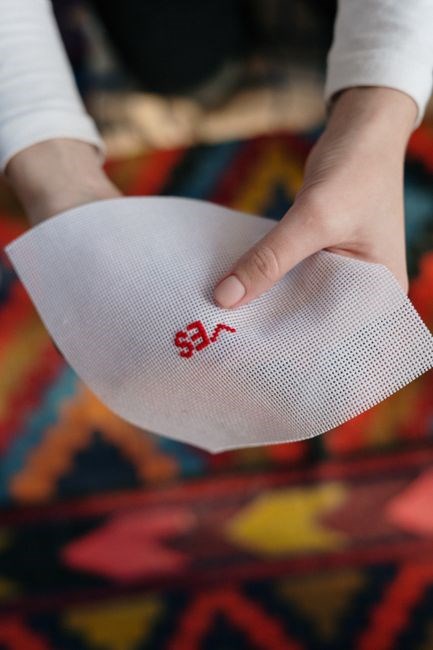
Downloading and Printing Tips for Best Results
Before you hit “download‚” check the file size and resolution. A 300‑dpi PDF with a 12‑inch grid will print crisp‚ but may be large; compress it with a free tool like Smallpdf or ILovePDF if you’re on a slow connection. When saving‚ choose “Save As” and keep the original name to avoid confusion. Open the PDF in a reliable viewer—Adobe Acrobat Reader DC offers zoom and page‑fit options that preserve grid integrity.
Print settings are crucial. Use a high‑quality printer and select the “best” or “high‑resolution” mode. Set paper size to the exact dimensions of your fabric (e.g.‚ 8.5×11 for standard muslin) and enable “fit to page” to avoid cropping. If your printer has a “borderless” option‚ use it to keep the chart edges intact. For color charts‚ print on a white or light‑colored paper to match the fabric background; this reduces color distortion.
After printing‚ trim the edges with a sharp craft knife or scissors‚ leaving a small margin to prevent accidental cutting of the grid. If you prefer a laminated chart‚ use a clear laminate sheet and apply a gentle heat source (like a hair dryer) to seal it. This protects the chart from ink bleed and makes it reusable for multiple projects. Finally‚ keep a digital backup in a cloud folder or external drive—this ensures you can reprint or share the chart without re‑downloading.
Tip: Keep a copy of the PDF you can print if the original is damaged or lost This ensures continuity of your stitching project!!
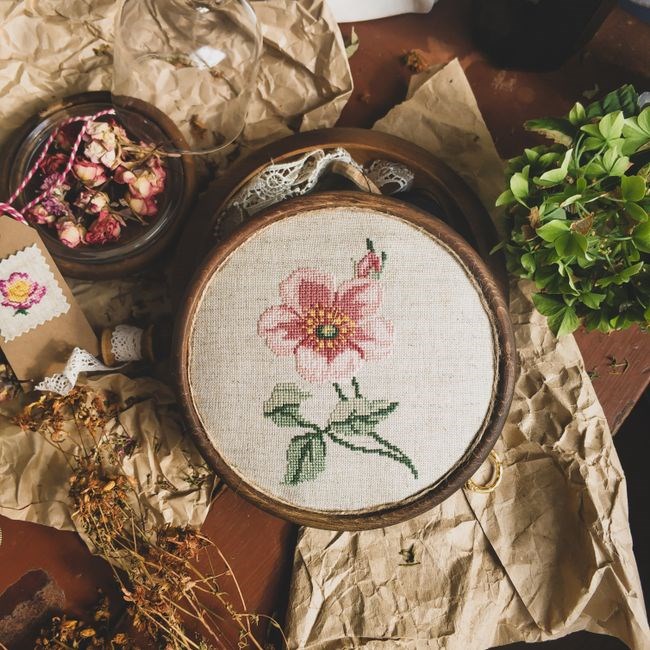
Legal and Copyright Considerations
When downloading free cross‑stitch PDFs‚ always verify that the source grants permission for personal use. Many designers release patterns under Creative Commons licenses‚ allowing free use but restricting commercial distribution. If a pattern is labeled “free for personal use only‚” you may stitch it for yourself but cannot sell finished pieces or share the PDF publicly. Always read the license statement embedded in the PDF or listed on the download page. Some sites offer a “public domain” tag‚ meaning the design is free of copyright and can be used freely. However‚ be cautious: the fabric or thread brand may still hold rights to the image or pattern. If you plan to create a product for sale‚ contact the designer for a commercial license or use a pattern explicitly marked for commercial use. Additionally‚ when sharing your own finished work online‚ credit the original designer and provide a link to the source PDF. This practice respects intellectual property and encourages a healthy creative community. Finally‚ keep a record of the download date and source URL; this documentation can protect you if a copyright claim arises. By following these guidelines‚ you can enjoy free patterns responsibly and avoid legal pitfalls.

Community Resources and Sharing Platforms
Cross‑stitch communities thrive on resources. Sites like Ravelry‚ Reddit r/crochet‚ and Facebook groups host threads where users upload free PDF charts‚ discuss colors‚ and troubleshoot stitch errors. These hubs give instant access to thousands of designs for all skill levels.
Designers share original PDFs on blogs or Medium. By commenting‚ stitchers can request color variations‚ clarify symbols‚ or suggest alternate threads. Some creators bundle a PDF with a starter kit of recommended threads‚ easing beginners’ entry.
File‑sharing archives like Archive.org and Creative Commons host large cross‑stitch collections. Users search by theme‚ size‚ or difficulty‚ then download PDFs without registration. Metadata lists designer‚ year‚ and license‚ ensuring patterns are free for personal use.
Pinterest boards dedicated to cross‑stitch PDFs offer inspiration. Curators compile images of finished works‚ step‑by‑step tutorials‚ and printable charts. Following a board delivers notifications when a new free pattern appears‚ keeping stitchers up‑to‑date.
Local craft guilds host workshops where members bring free PDFs to stitch together. These gatherings foster camaraderie‚ provide hands‑on guidance‚ and often produce collaborative projects displayed in community spaces or sold at fairs. Participation deepens skills and strengthens the network.
Many stitchers also contribute by creating derivative charts. By remixing a base PDF—changing colors‚ adding borders‚ or adjusting stitch counts—users produce variations that remain free. Sharing these derivatives on community forums encourages collaboration and expands the collective library.
Stay connected and keep exploring new designs—!!!❤❤❤
Enjoy
Share!
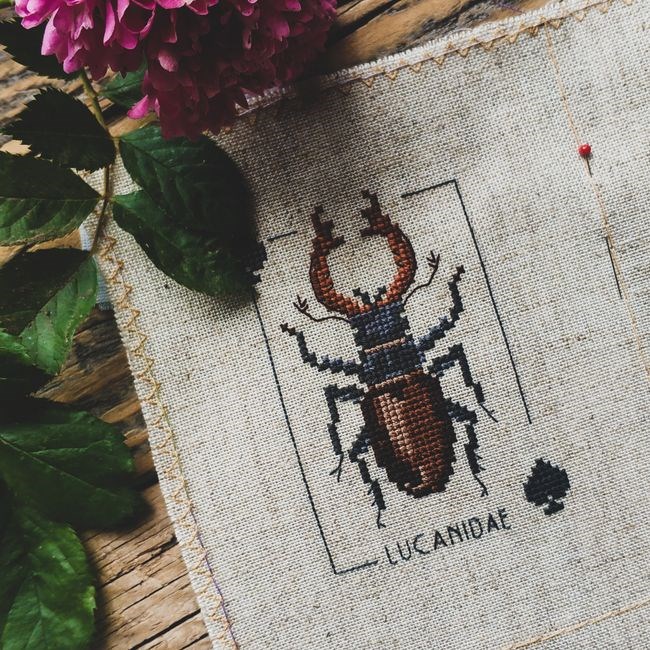
Customizing and Personalizing Your Charts
Free cross‑stitch PDF charts give you a blank canvas. Start by adjusting the color palette: replace the default DMC numbers with your own thread set‚ or use a monochrome scheme. Many PDF editors let you click a symbol and instantly change its color code‚ saving time on manual edits. and the real magic happens when you tweak them.!
Beyond simple color swaps‚ advanced customization lets you alter the very structure of a chart. For instance‚ you can use vector graphics editors like Inkscape or Adobe Illustrator to duplicate rows or columns‚ effectively resizing the motif while preserving stitch density. By selecting the entire grid and applying a scaling factor‚ the software recalculates coordinates‚ so the final PDF remains accurate. Another technique involves layering multiple charts: overlay a background pattern beneath a foreground design‚ then export the composite as a single PDF. This approach creates depth and visual interest without increasing stitch count. When working with embroidery software such as SewArt or Stitch Fiddle‚ you can import the PDF‚ adjust the thread palette‚ and even generate a stitch file for a specific machine. Many users report that tweaking the DPI setting from 300 to 600 during export yields sharper outlines‚ especially for fine‑detail charts.
Finally‚ consider adding a personalized watermark or title block at the top of the chart. Adding a border or a small logo can further personalize the chart‚ and keep it unique!
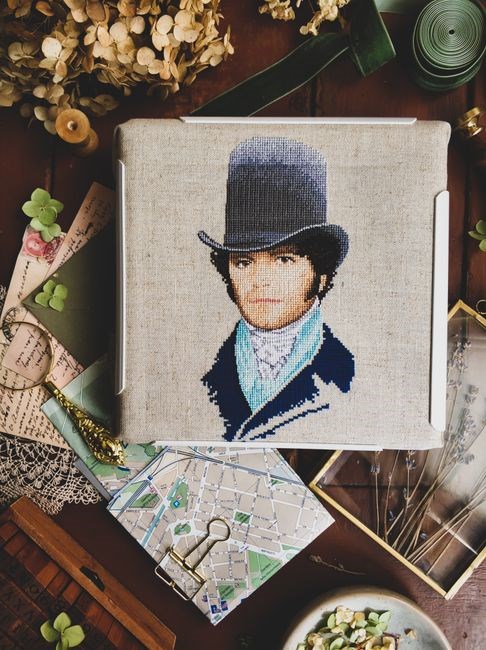
and Where to Find More Free Charts
In closing‚ the world of free cross‑stitch PDF charts is vast and continually expanding. By leveraging the resources highlighted above—LoveCrafts‚ Fat Quarter Shop‚ SmartCrosstitch.com‚ and Coricamo—you gain instant access to thousands of designs that cater to every skill level and aesthetic preference. Each site offers a unique blend of community‑curated patterns‚ brand collaborations‚ and independent creations‚ ensuring that whether you’re a seasoned stitcher or a curious beginner‚ there’s something to spark your creativity.
Beyond these primary hubs‚ numerous niche forums and social media groups provide additional layers of support. Platforms such as Reddit’s r/crossstitch‚ the Cross Stitch Community on Facebook‚ and dedicated Discord servers host daily exchanges of free PDFs‚ color‑matching tips‚ and troubleshooting advice. Many of these groups maintain shared drives or cloud repositories where members upload newly discovered patterns‚ often in high‑resolution PDF format ready for printing.
For those who enjoy a more hands‑on approach‚ consider visiting local craft supply stores or attending craft fairs. Many vendors offer free pattern downloads as part of promotional bundles‚ and some artisans host workshops that include complimentary chart PDFs. Additionally‚ open‑source embroidery software often features built‑in libraries of free designs that can be exported as PDFs‚ providing another avenue for creative exploration.
Free PDF charts inspire every stitcher’s next project today for all.!!