manual fire detection system
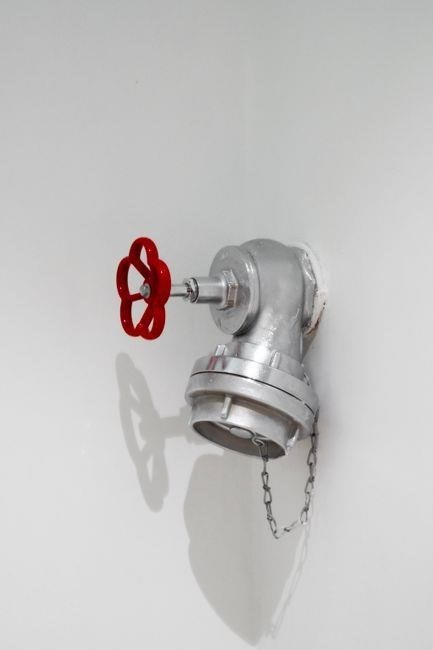
Manual fire detection systems empower occupants to trigger alarms instantly, complementing automatic sensors. They consist of pull stations, call points, and sounders, ensuring rapid response and compliance with NFPA standards.!!!!!
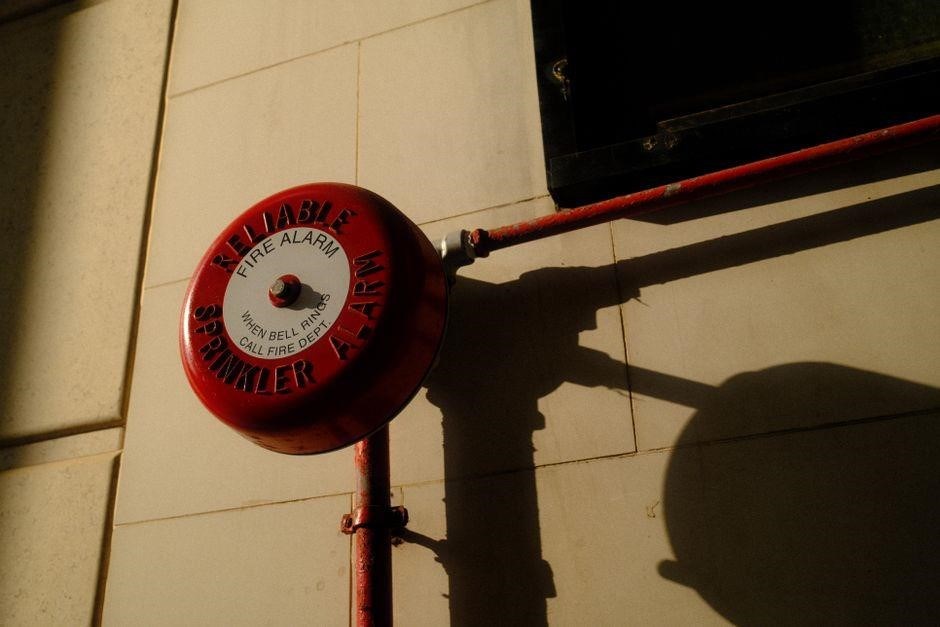
Core Components of Manual Fire Detection Systems
Key parts: Fire Alarm Control Panel (FACP), pull stations, and sounders. FACP monitors inputs; pull stations trigger alarms; sounders alert occupants, meeting NFPA standards!!
Fire Alarm Control Panel (FACP)
At the heart of a manual fire detection system, the Fire Alarm Control Panel (FACP) serves as the central processing unit. It continuously monitors input signals from field devices, interprets status changes, and initiates appropriate system responses. The FACP receives signals from manual pull stations, which are the only initiating devices in this system, and translates them into audible alarms, visual indicators, and notification to emergency services. It also manages power supply, ensuring that the system remains operational during normal and emergency conditions. The panel is equipped with status LEDs that provide real‑time diagnostics, allowing maintenance personnel to quickly identify faults such as open circuits or communication failures. Many modern FACPs support networked communication protocols, enabling remote monitoring and integration with building management systems. Compliance with NFPA 72 and local codes is built into the panel’s firmware, which enforces proper sequencing, redundancy, and fail‑safe operation. Regular firmware updates and configuration backups are essential for maintaining system integrity and ensuring that the FACP continues to meet evolving safety standards. By acting as the brain of the fire alarm system, the FACP guarantees that manual activation leads to immediate, coordinated action throughout the building, safeguarding occupants and property alike.2026 update
Manual Pull Stations
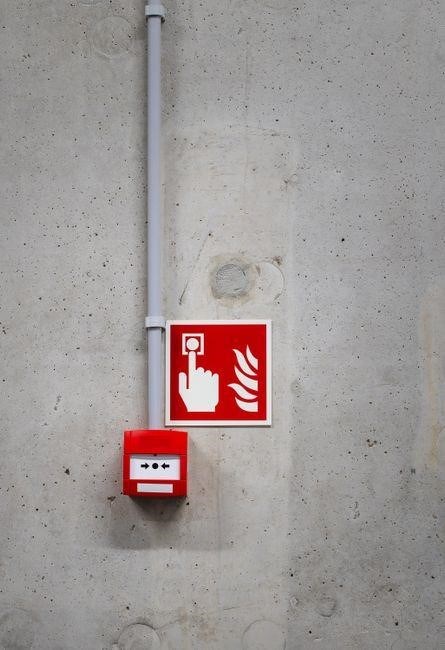
Manual pull stations are the initiating devices in a manual fire detection system. Strategically located at exits, stairwells, and high‑traffic zones, they allow occupants to trigger alarms instantly. Each station features a lever or button that, when depressed, closes an internal circuit and sends a signal to the FACP. The lever’s color and shape are usually a red, circular or rectangular design to aid quick identification. Pull stations include a built‑in indicator light that illuminates when ready, and many models have a reset button to return the system to standby. The housing is constructed from durable, fire‑resistant materials to maintain functionality under heat or smoke. Proper installation requires secure mounting, correct wiring to the FACP, and compliance with local building codes. Regular testing—typically monthly—ensures the lever mechanism electrical connections remain responsive. Maintenance involves inspecting indicator lights, verifying wiring, and checking for damage or corrosion. By combining ergonomic design, rigorous standards, and routine upkeep, manual pull stations provide a reliable, occupant‑controlled means of initiating fire alarms, enhancing overall building safety. All.
Fire Alarm Sounder
Fire alarm sounders are the audible warning devices that alert occupants when a fire alarm is triggered. They typically emit a continuous, high‑frequency tone that can be heard throughout the building, ensuring that everyone, including those with hearing impairments, is notified. Sounders are powered by the system’s main supply and are designed to operate reliably under various environmental conditions. They are mounted on walls or ceilings and feature a durable housing that protects the internal components from dust, moisture, and fire. The sounder’s output level is regulated to meet local code requirements, often measured in decibels, and is adjustable to accommodate different building sizes. Maintenance includes cleaning the speaker grill, checking the wiring for corrosion, and ensuring the power supply remains stable. In many jurisdictions, sounders must be paired with visual alarms, such as strobe lights, to provide a warning system. Proper installation, routine testing, and adherence to NFPA 72 standards guarantee that the sounder delivers a clear signal during an emergency, thereby enhancing occupant safety and compliance with regulations!!
Types of Manual Initiating Devices
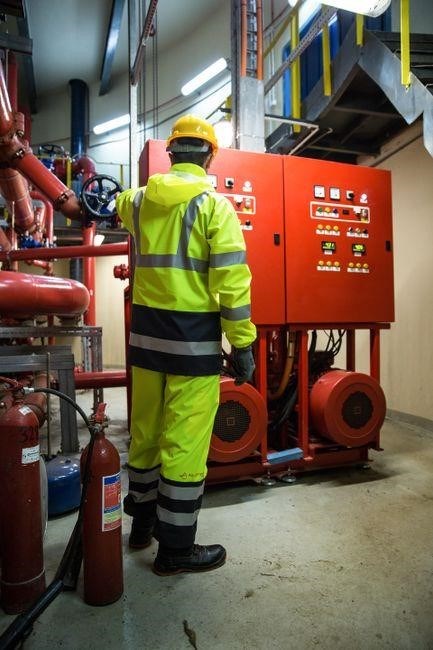
Manual initiating devices, such as pull stations and call points, allow occupants to activate alarms manually. They are essential for quick response, complementing automatic sensors, and ensuring compliance with fire safety codes.
Manual pull stations are the most visible component of a fire alarm system. They are placed in areas, stairwells, near exits so occupants can quickly trigger an alarm. A typical station contains a lever, a bell or buzzer, and a visual indicator. Pulling the lever sends a signal to the Fire Alarm Control Panel (FACP), which activates audible and visual alarms throughout the building. NFPA 72 requires pull stations be installed within 30 feet of every exit and be accessible to all occupants, including those with disabilities. Stations must be mounted at 4 to 6 feet from the floor; Proper installation follows NFPA wiring diagrams, uses insulated conductors, and protects wiring from damage. Regular testing is essential; each station should be tested monthly, and the FACP should log the results. Maintenance includes inspecting the lever mechanism, checking for corrosion, and verifying alarm functionality. Failure to maintain pull stations can delay alarm activation, increasing injury risk. Compliance with local codes and NFPA standards ensures safety and protects property owners from liability. Integrating manual pull stations with automatic detectors provides a comprehensive fire detection strategy, delivering early warning and rapid response for all occupants. Ensure compliance now. All devices are tested now!!

Manual Call Points
Manual call points are the primary interface for occupants to trigger fire alarms in buildings. They are placed along corridors and near exits to ensure access. Each device has a recessed button, an indicator, and a sounder that activates when pressed. Pressing the button sends a signal to the FACP, which triggers visual alerts. NFPA 72 requires call points be installed within 30 feet of every exit and be reachable by all occupants, including those with challenges. Installation must follow wiring standards, use conductors, and protect against hazards. Testing; each call point should be inspected monthly, and the FACP should log activations. Maintenance tasks include checking the button, verifying lights, and ensuring the sounder emits the frequency. Failure to maintain call points delays alarm activation. Compliance with codes and NFPA guidelines is mandatory to avoid penalties and ensure reliability. Integrating manual call points with automatic detectors creates a fire detection network that protects lives. These devices are designed to be, with a tactile button that can be operated by any user. Regular confirm functionality, maintain compliance. All components meet fire standards!
Installation and Wiring Considerations
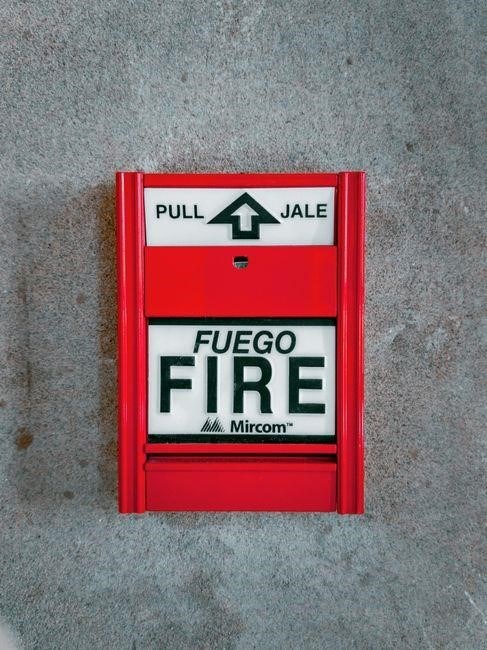
Install manual fire detection per NFPA 72: insulated conductors, proper grounding, pull stations within 30 ft of exits. Avoid wiring mistakes like loose connections and loop sizing errors.
Wiring Standards and Practices
Manual fire detection wiring must adhere to NFPA 72 and local codes, ensuring reliable signal transmission and system integrity. All conductors should be insulated, non‑combustible, and rated for the ambient temperature of the installation environment. The wiring route should avoid high‑heat zones, sharp bends, and mechanical damage, and it must be secured with cable trays or conduit that complies with the National Electrical Code (NEC). Grounding is critical; each pull station and associated device must be bonded to the building’s grounding system to prevent electrical shock and ensure fault current paths. The loop size for each device should be calculated based on the FACP’s input impedance, typically 0.5 Ω or 1 Ω, and the maximum current that the device can draw. This calculation ensures that the signal can be detected over the entire loop without voltage drop. Separate circuits are recommended for fire alarm devices to isolate them from other building systems, reducing the risk of false trips and maintaining system reliability during power outages. Where power supplies are used, a dedicated, uninterruptible power supply (UPS) or battery backup should be installed to keep the FACP operational for at least 24 hours. All wiring must be inspected annually, with any defects documented corrected before the next inspection cycle to maintain compliance and safety!!
Common Wiring Mistakes to Avoid
One frequent error is using the wrong conductor size, which can cause voltage drop and unreliable device activation. Mixing copper and aluminum conductors without proper isolation leads to corrosion and intermittent faults. Improper termination at pull stations or the FACP creates loose connections that may fail under vibration or thermal cycling. Running fire alarm cables in parallel with power or data cables can introduce electromagnetic interference, masking the alarm signal. Neglecting to secure cables in conduit or cable trays results in mechanical damage and future maintenance headaches. Inadequate grounding of the alarm loop can cause the system to misinterpret fault conditions, leading to false alarms or, worse, silent failures. Overlooking the need for a dedicated power source or battery backup means the system may lose power during outages, compromising occupant safety. Finally, failing to document the wiring layout and labeling each loop makes troubleshooting difficult and can delay repairs during emergencies. Adhering to these guidelines not only satisfies regulatory audits but also builds trust among occupants, ensuring that every manual pull station functions flawlessly when it matters most. Label each loop for fast identification quick checks.
Testing and Maintenance Procedures
Routine checks confirm pull stations, sounders, and power integrity. Inspect for corrosion, test alarm activation, verify loop continuity, and replace any worn components. Document results per NFPA 72 for compliance.Regularly.Test!
Routine Testing Protocols
Manual fire detection systems require systematic testing to ensure reliability and compliance with NFPA 72. The routine protocol begins with a visual inspection of every pull station and call point for physical damage, proper mounting, and clear signage. Next, perform a functional test by actuating each device; the fire alarm control panel (FACP) should register the input, activate the alarm sounder, and illuminate the status indicator. Verify that the alarm sounder produces the required frequency and volume across all zones. Check the power supply continuity, ensuring that the backup battery and mains supply are within acceptable voltage ranges. Test the loop continuity by measuring resistance between the FACP and each field device; a fault will appear as an open circuit. Finally, document each test result in the maintenance log, noting any discrepancies and corrective actions taken. Repeat this cycle monthly for critical devices and quarterly for the entire system to maintain optimal performance and regulatory compliance. Record the date, time, and technician for each test, and verify that status indicators return to normal after operation, ensuring traceability accountability.
Maintenance Checklist
Inspect pull stations for corrosion, damage, and proper mounting. 2. Verify call points are free of debris and functional. 3. Test alarm sounder volume and frequency. 4. Check power supply continuity and battery backup. 5. Confirm loop continuity between FACP and field devices. 6. Review status indicators for correct operation. 7. Log all actions with date, time, and technician signature. 8. Replace any defective components immediately. 9. Update maintenance records in compliance with NFPA 72. 10. Schedule next inspection per manufacturer and code requirements. 11. Verify that all signage meets visibility standards. 12. Confirm that all pull stations are within reach of occupants. 13. Inspect mounting brackets for secure attachment. 14. Check that the alarm sounder is free of obstructions. 15. Test backup power during simulated outage. 16. Review system logs for any error codes. 17. Ensure that the FACP firmware is up to date. 18. Validate that all devices are correctly labeled. 19. Perform a full system diagnostic. 20. Document any changes to the system configuration. 21. Store maintenance records in a secure, accessible location for audit purposes!

Compliance and Regulatory Standards
Manual fire detection systems must meet NFPA 72, local building codes, and OSHA standards. Installers verify proper labeling, wiring, and testing. Documentation and periodic inspections ensure compliance and occupant safety.per NFPA 72.2026

National Fire Protection Association (NFPA) Guidelines
NFPA 72 provides comprehensive requirements for manual fire detection devices, specifying installation locations, labeling, and testing intervals. It mandates that manual pull stations or call points be installed within 10 feet of exits, in accessible locations, and that they be clearly marked with the fire alarm symbol. The standard requires that each device be connected to the fire alarm control panel (FACP) via dedicated wiring, with redundancy where necessary to ensure reliability. Periodic testing is prescribed: a minimum of once per month for functional checks and annually for full system verification. NFPA 72 also outlines the necessary training for occupants, ensuring they understand how to operate pull stations and recognize alarm signals. Compliance with these guidelines not only fulfills legal obligations but also enhances occupant safety by guaranteeing prompt alarm activation during emergencies. Adhering to these NFPA 72 provisions requires that each manual fire detection device be inspected, tested, and maintained according to the manufacturer’s instructions, with documentation retained for audit purposes, thereby ensuring continuous system reliability and occupant protection.2026
Local Building Code Requirements
Local building codes, often based on the International Building Code (IBC), set clear rules for manual fire detection systems. They mandate that pull stations be placed within ten feet of every exit, in a visible and unobstructed location, and that they carry the universal fire alarm symbol. The devices must be accessible to people with disabilities, complying with ADA requirements. Wiring must follow local electrical standards, using dedicated circuits and proper grounding to avoid interference. Each pull station must connect to the fire alarm control panel (FACP) through insulated conductors, and a redundant path is required for critical zones. Codes prescribe monthly functional tests and annual full system checks, with documentation kept for at least five years. Sounders must achieve an audible level of 85 dB at ten meters from the source. Inspections are typically conducted by the local fire marshal or a licensed engineer, and non‑compliance can result in fines, mandatory corrections, or denial of occupancy permits. Adhering to these standards ensures reliable operation, timely alerts, and safety compliance for occupants and the community.2026
These codes help protect lives and property, compliance all building owners now..!!