wicked broadway script pdf
Overview of Wicked Broadway Script
Wicked’s Broadway script PDF offers the full libretto‚ blending book and lyrics․ It presents the musical’s narrative arc‚ character dialogues‚ and stage directions‚ allowing readers to trace the story from the Witch’s origin to the final confrontation․ It also includes notes and numbers‚ a fan resource․

History of Wicked Script Publication
Wicked premiered on Broadway in 2003‚ and Dramatists Play Service released the first official script in 2004‚ containing the full libretto and stage directions․ A deluxe edition followed in 2005‚ adding annotated notes from the creative team․ In 2010‚ the publisher partnered with a major e‑book platform to offer a licensed PDF‚ and in 2018 a limited hardcover edition was issued for collectors‚ featuring a foreword by composer Stephen Schwartz․ Peer‑to‑peer sharing of unauthorized PDFs began in 2019‚ prompting takedown notices and stronger digital rights management․ The script was bundled with a companion guide in a 2021 boxed set‚ and a 2024 update added a new appendix with revised lyrics for the 2023 touring production․ The script’s availability has influenced academic curricula‚ with university theater departments using it in coursework on musical composition․ Licensing agreements allow schools to perform staged readings‚ and the detailed stage directions provide a director’s blueprint․ The PDF’s search function aids scholars in analyzing recurring motifs and thematic devices across the musical’s acts․ Collectors still value tangible editions for their archival significance‚ while fan‑generated content continues to shape how Wicked’s narrative is experienced worldwide․ In 2025‚ a revised digital edition was released‚ incorporating updated stage notes to reflect changes made during the 2024 Broadway revival․ The script’s distribution strategy has also evolved‚ with the publisher offering a subscription model that grants access to the entire Wicked archive‚ including early drafts and rehearsal scripts․ Its legacy endures!!
Format and Layout Features
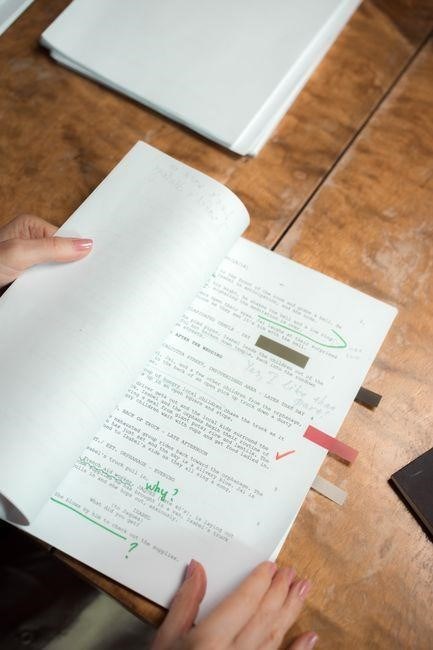
Wicked’s official PDF is formatted for readability and stage use․ The document is split into two main columns: the left column contains the script’s dialogue and lyrics‚ while the right column houses stage directions‚ musical cues‚ and technical notes․ Page numbers are centered at the bottom‚ and each act begins on a new page with a bold act title in a larger font․ The font choice is a serif typeface‚ 12‑point size‚ with a 1․5 line spacing to allow margin notes․ Margins are set at 1․25 inches on all sides‚ providing ample space for annotations․ The PDF includes a clickable table of contents that links to each act and key scenes‚ and the text is searchable‚ enabling quick location of specific lyrics or stage actions․ Additionally‚ the file embeds a small watermark indicating “Official Licensed Edition” on each page to deter unauthorized duplication․ The layout also features a small logo of the original production company in the header‚ and the final page contains a copyright notice and a disclaimer about the use of the script for public performance․ This design balances the needs of actors‚ directors‚ and production designers‚ making the PDF a practical tool for both rehearsal and performance․
Its digital format supports annotations‚ allowing actors to add notes in the margin․ The file’s resolution is 300 dpi‚ ensuring crisp text when printed․ A function highlights keywords‚ and the PDF includes a table of musical cues marked with time stamps for rehearsal synchronization․!
Availability of Wicked Script PDFs
Wicked script PDFs can be found through official channels such as the Broadway licensing site or authorized retailers․ These sources provide a licensed PDF that includes full libretto‚ stage directions‚ and production notes․ Users must verify authenticity before downloading․ Legal access is guaranteed!!․
Official Sources for Wicked PDF
For fans seeking an authentic Wicked script‚ the most reliable avenues are the official licensing partners and authorized retailers that distribute the musical’s full libretto․ The Broadway licensing office‚ managed by the original production team‚ offers a PDF that contains every line of dialogue‚ lyric‚ and stage direction․ Purchasing through the official website guarantees that the file is up‑to‑date‚ properly formatted‚ and legally compliant․ In addition‚ major online retailers such as Amazon and Barnes & Noble list licensed Wicked PDFs under the “Musicals” category‚ often bundled with a printed copy of the score for reference․ Physical copies are also available from the publisher’s storefront‚ where a digital download can be requested after purchase․ These channels ensure that the script includes all production notes‚ character breakdowns‚ and technical annotations that are essential for rehearsal and performance․ By using these official sources‚ users avoid the pitfalls of unauthorized copies‚ such as incomplete pages‚ corrupted formatting‚ or embedded malware․ Moreover‚ the licensing agreement typically grants the buyer the right to use the script for educational purposes‚ allowing schools and community theater groups to stage the musical while respecting copyright law․ Finally‚ the official channels provide customer support for any issues related to file access or compatibility‚ ensuring a smooth experience for both new and seasoned performers․ Sources provide academic libraries for!
Unofficial Downloads and Risks
Unofficial Wicked script PDFs circulate widely on file‑sharing sites‚ forums‚ and peer‑to‑peer networks․ While they may appear convenient‚ these copies often lack the precise formatting‚ pagination‚ and stage‑direction annotations that official versions provide․ Users downloading from unverified sources risk encountering corrupted files‚ missing pages‚ or embedded malware that can compromise their devices․ Moreover‚ the legal status of these PDFs is dubious; most are distributed without the creators’ consent‚ violating copyright law and exposing downloaders to potential civil liability․ Beyond the legal ramifications‚ unofficial versions can distort the artistic intent by omitting crucial contextual notes‚ such as character motivations or musical cues‚ which are essential for performers and directors․ The absence of these elements can lead to misinterpretations during rehearsals‚ affecting the overall integrity of a production․ For educational institutions‚ relying on unofficial scripts may also breach licensing agreements that govern the use of the musical’s text․ In short‚ while the allure of free access is strong‚ the risks—both technical and legal—make unofficial Wicked PDFs a precarious choice for anyone seeking a reliable‚ complete‚ and lawful resource․ These considerations underscore the importance of choosing vetted resources‚ ensuring that the script remains a reliable tool for performers‚ educators‚ and enthusiasts alike․ The choice matters․Stay

Legal Considerations for Downloading Scripts
Downloading Wicked scripts without authorization violates U․S․ copyright law‚ exposing users to civil suits and possible fines․ Only official distributors grant licenses; personal use may fall under fair use‚ but public sharing is prohibited․ Always verify source legality․ All rights reserved․ No․
Copyright Laws Relevant to Scripts
Under the 1976 Copyright Act‚ a musical script is a “literary work” protected from the moment of creation․ The author‚ in this case the collaborative team behind Wicked‚ holds exclusive rights to reproduce‚ distribute‚ and create derivative works․ The U․S․ Copyright Office records the registration‚ which provides statutory damages and attorney fees in infringement cases․ The 17 U․S․C․ § 106 grants the copyright holder the exclusive rights to publish the text‚ perform it publicly‚ and produce copies․ For the Wicked script‚ the rights are held by the original writers and the publishing company‚ and any unauthorized PDF distribution is a direct violation․ The Digital Millennium Copyright Act (DMCA) further prohibits circumvention of digital safeguards that protect the script’s electronic format․ Internationally‚ the Berne Convention obliges signatory countries to recognize these rights‚ meaning that downloading or sharing Wicked PDFs abroad still infringes U․S․ law․ Licensing agreements‚ such as those with legitimate distributors‚ are the only lawful means to obtain the script․ In short‚ the script’s copyright status is clear: it is a protected literary work‚ and any non‑licensed distribution is illegal under U․S․ and international law․ Additionally‚ the Copyright Act’s “fair use” doctrine allows limited use for criticism‚ comment‚ news reporting‚ teaching‚ scholarship‚ or research‚ but the thresholds are measured by purpose‚ nature‚ amount‚ and effect on the market․ Because Wicked is a commercially valuable script‚ courts typically find that mass downloading or public sharing falls outside fair use․ The statutory “public domain” exception does not apply until the copyright expires‚ which is 70 years after the author’s death for works created after 1977․ Until that time‚ the script remains under exclusive control‚ and any attempt to redistribute it without permission constitutes infringement․ Moreover‚ the U․S․ Copyright Office’s policy on “copyright notices” requires that any reproduced work carry a proper notice‚ and omission can weaken enforcement․ The “first sale” doctrine does not apply to digital copies‚ so even if a legitimate buyer sells a physical script‚ the digital PDF remains protected․ Finally‚ enforcement actions by the rights holders often involve cease‑and‑desist letters‚ takedown notices under the DMCA‚ and civil litigation․ These measures underscore the importance of respecting the legal framework surrounding Wicked’s script․ The International Federation of Musicians (FIM) also recognizes the moral rights of authors‚ ensuring that the script’s integrity is maintained․ In practice‚ this means that any alteration or abridgment of the Wicked script without explicit consent may infringe moral rights‚ even if the text is in the public domain․ Additionally‚ the U․S․ Copyright Office’s “Copyright Clearance Center” offers licensing tools that simplify the process for educators and theater companies‚ providing a legal pathway to use the script for performances or academic study․ These tools help avoid inadvertent infringement and ensure that creators receive proper compensation․ By adhering to these legal frameworks‚ fans and professionals alike can enjoy Wicked’s rich narrative while respecting the intellectual property that sustains the arts community․
Fair Use Clauses
Fair use is a statutory defense that permits limited use of copyrighted material without permission for purposes such as criticism‚ comment‚ news reporting‚ teaching‚ scholarship‚ or research․ The doctrine is evaluated under four factors: purpose and character of the use; nature of the copyrighted work; amount and substantiality of the portion used; and effect on the market value of the original․ For a Wicked script PDF‚ the first factor favors fair use if the use is transformative—e․g․‚ a scholarly analysis that adds new insights rather than merely reproducing the text․ The second factor is more favorable when the work is factual or informational; however‚ a musical script is a creative work‚ which weighs against fair use․ The third factor requires that only the minimal amount necessary be used; quoting a single line or a short excerpt for critique may be permissible‚ but reproducing entire scenes or the full libretto is unlikely to pass․ The fourth factor examines whether the use competes with the original․ A public distribution of the script that would replace legitimate sales or licensing would be disallowed․ Courts have consistently ruled that bulk copying of a musical script for public consumption is not covered by fair use․ Nonetheless‚ in a classroom setting‚ a teacher may provide a limited excerpt to students for discussion‚ provided the excerpt is reasonably short and the class is the sole audience․ Similarly‚ a review or scholarly article that cites specific passages to support an argument may qualify‚ especially if the excerpts are brief and the overall use is transformative․ The U․S․ Copyright Act’s 17 U․S․C․ § 107 codifies these factors‚ and the Supreme Court’s decisions in cases such as Campbell v․ Acuff‑Brooks and Authors Guild v․ Google reinforce the importance of the four‑factor test․ In practice‚ individuals should consult legal counsel or use the Copyright Clearance Center’s licensing services to ensure compliance․ Ultimately‚ while the fair‑use doctrine offers flexibility‚ it does not provide blanket permission for distributing Wicked’s full script PDF․ Each instance must be carefully evaluated against the four factors‚ and the safest approach remains to obtain the script through authorized channels․ The concept of “transformative” use is central; a parody that uses the script to lampoon the original may qualify‚ but the parody must be distinct and not merely a copy․ In the digital age‚ the availability of the Wicked script online increases the risk of infringement‚ so many educators rely on official licensing agreements that provide access to excerpts under a controlled environment․ The Fair Use doctrine is not a blanket exemption; it is a defense that must be proven in court‚ and the burden of proof lies with the user․ Therefore‚ while short‚ non‑commercial excerpts for analysis are often defensible‚ distributing the entire script PDF remains unlawful without explicit permission from the rights holders․ Moreover‚ the statutory damages for infringement can reach up to $150‚000 per work‚ and the rights holders may also recover attorney fees‚ making unauthorized distribution a costly risk․ The Digital Millennium Copyright Act further imposes liability on intermediaries that host infringing content‚ encouraging platforms to remove or block access to pirated PDFs․ These legal mechanisms reinforce the necessity of respecting the rights of the Wicked creative team․ In summary‚ fair use is a narrow‚ case‑by‑case defense that requires careful analysis of purpose‚ nature‚ amount‚ and market effect․ For most casual readers‚ the safest path is to obtain the Wicked script through legitimate purchase or licensed educational use rather than relying on unverified PDFs found online․ Finally‚ always verify the source and consult the official licensing guidelines before sharing any excerpt․

Content of the Wicked Script PDF
The PDF contains the libretto‚ including book‚ lyrics‚ stage directions‚ and technical notes․ It follows the original script layout‚ with character dialogues‚ musical numbers‚ and production cues‚ allowing readers to trace the narrative arc and staging details․
Scenes and Lyrics Included
The Wicked Broadway script PDF presents every scene from the original stage production‚ organized by act and number․ It begins with the opening “Wicked” number‚ followed by the “Defying Gravity” sequence‚ and continues through the narrative arc that follows Elphaba’s journey to the Emerald City; Each scene is labeled with the character names‚ stage directions‚ and musical cues‚ allowing readers to follow the flow of dialogue and song․ The PDF includes the full lyrics for every musical number‚ from the intimate “No Good Deed” to the climactic “The Wizard’s Song․” The lyrics are presented in the same format as the original script‚ with the song title‚ composer credits‚ and the lyrics themselves․ The PDF also contains the “Oath” scene‚ the “Glorious” number‚ and the “Happy Ending” final act․ In addition to the musical numbers‚ the PDF includes the spoken scenes that provide context for the story‚ such as the “Witch’s Lament” and the “Giant’s Speech․” The script offers a complete view of the musical’s structure‚ making it a valuable resource for performers‚ directors‚ and fans who want to study the narrative and musical composition in detail․ The PDF’s layout preserves the original stage directions‚ such as lighting cues‚ costume changes‚ and set descriptions‚ which are essential for understanding the production’s staging․ By providing all scenes and lyrics in a single document‚ the Wicked script PDF allows readers to trace the story from the first line to the final curtain‚ offering a comprehensive view of the musical’s creative vision Enjoy!․
Stage Directions and Technical Notes
Stage directions in the Wicked PDF are meticulously annotated to guide performers and designers․ Each scene begins with a clear heading that specifies the location‚ time of day‚ and any special lighting cues․ For example‚ the opening “Wicked” sequence includes a directive that the stage lights dim to a deep violet‚ signaling the arrival of the storm․ Costume changes are noted in parentheses‚ indicating the exact moment a character should transition from their everyday attire to their iconic costume․ The PDF also details set pieces‚ such as the towering Witches’ Tower‚ with dimensions and suggested materials for construction․ Technical notes cover sound cues‚ specifying volume levels and the exact moments when the orchestra should swell or recede․ Lighting designers can find precise color codes and intensity levels for each number‚ ensuring the emotional tone matches the script’s intent․ The script includes stage directions for choreography‚ indicating blocking lines and movement patterns for ensemble members․ It also provides guidance on prop placement‚ such as the placement of the ruby slippers and the wand‚ to avoid collisions during fast‑paced scenes․ Additionally‚ the PDF contains a section on special effects‚ describing how to safely execute pyrotechnics during the “Defying Gravity” finale․ Safety protocols are clearly outlined‚ including the required distance between performers and flame sources․ The document also notes the use of fog machines‚ specifying the duration and density needed to create the desired atmospheric effect․ By consolidating all these technical elements in one PDF‚ the Wicked script offers a comprehensive resource for production teams seeking to recreate the original Broadway experience with fidelity and precision!
Supplementary Materials and Adaptations
Video essays dissect the film’s adaptation‚ while interviews with Winnie Holzman reveal script evolution․ Footage showcases set design‚ lighting‚ and choreography․ These resources deepen understanding of Wicked’s transition from stage to screen extra!!
Video Essays on Adaptation
Video essays on Wicked’s adaptation illuminate how the musical’s core themes are translated from stage to screen․ A notable example is the Backstage Magic video essay‚ which dissects the film’s choreography‚ set design‚ and how the director preserves the original score while introducing cinematic techniques․ The essay examines the creative choices behind the film’s color palette‚ the use of CGI to expand the Emerald City‚ and the decision to shift certain narrative beats to accommodate a broader audience․ It also highlights the challenges of maintaining character integrity when actors switch between live performance and film roles․ Technical analysis segments break down the lighting rigs used in key scenes‚ compare stage lighting cues with on‑screen lighting‚ and explain how sound design is adapted for a movie soundtrack․ Viewers gain insight into the collaborative process between the original creative team and the film’s production crew‚ revealing how stage directions are reinterpreted for camera angles and editing rhythms․ These videos serve as valuable resources for scholars‚ fans‚ and aspiring theater professionals seeking to understand the nuances of adapting a beloved Broadway production into a blockbuster film․

Additionally‚ many essays examine the musical’s score adaptation‚ noting how original songs are rearranged for film orchestration and how the soundtrack’s mixing differs from live theater acoustics․ Some creators discuss visual effects in conveying emotional beats‚ while others focus on pacing adjustments for cinematic storytelling․ These videos provide behind‑the‑scenes insights and invite discussion on adaptation fidelity and creative liberties taken to appeal globally․ Such analyses deepen appreciation for the art of adaptation․
Interviews with Winnie Holzman
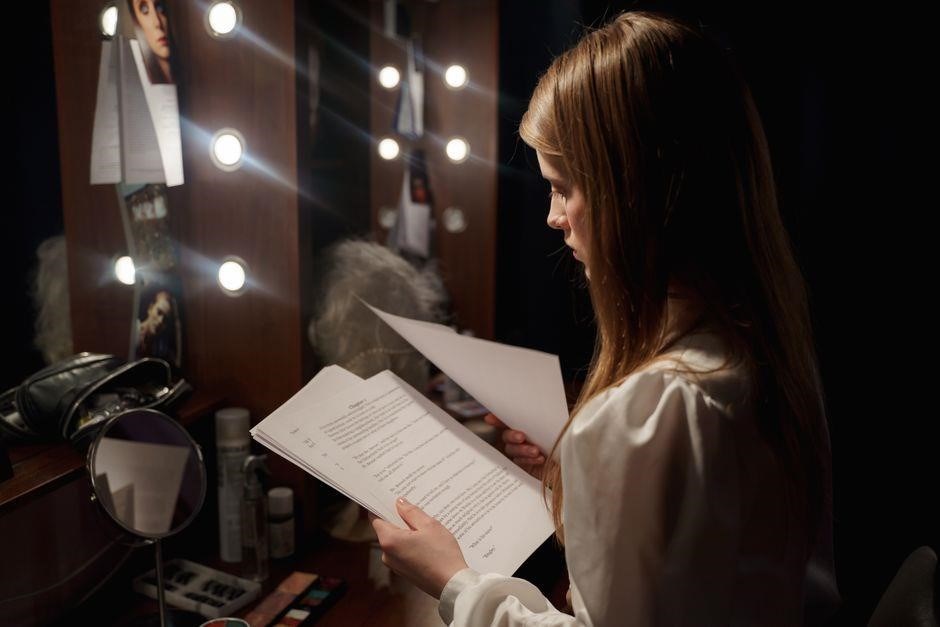
In recent conversations‚ Winnie Holzman‚ the lyricist behind Wicked‚ shares insights into the script’s evolution and the challenges of translating a complex narrative into a cohesive stage play․ She discusses the collaborative process with composer Stephen Schwartz‚ noting how their joint workshops refined character arcs and musical motifs․ Holzman explains that the script’s original draft was heavily revised to balance lyrical depth with dramatic pacing‚ ensuring that each song advances the plot while deepening emotional resonance․ She also reflects on the decision to keep the story’s core themes—identity‚ friendship‚ and rebellion—intact‚ even as the production incorporated new technological elements for the 2026 revival; In one interview‚ she reveals that the script’s dialogue was intentionally written to allow for flexibility in casting‚ enabling both seasoned performers and emerging talent to bring authenticity to the roles․ Holzman emphasizes the importance of stage directions‚ describing how they guide actors in conveying subtle psychological shifts․ She also addresses the legal aspects of script distribution‚ advising fans to seek official sources to respect copyright laws․ Finally‚ she expresses gratitude for the audience’s enduring support‚ noting that the script’s continued relevance is a testament to its universal storytelling power․ During a 2024 interview on BroadwayWorld‚ Holzman highlighted the influence of early drafts on modern audiences‚ quoting‚ “The script is a living document; each performance breathes new life into it․” She also discussed her forthcoming memoir‚ detailing the creative journey behind Wicked and other works․ Holzman noted that the script’s accessibility has encouraged educational programs‚ with schools using it to teach songwriting and dramaturgy․ She praised the community for its respectful engagement with the material‚ urging continued support for theatrical arts․