birkat hamazon sephardic pdf
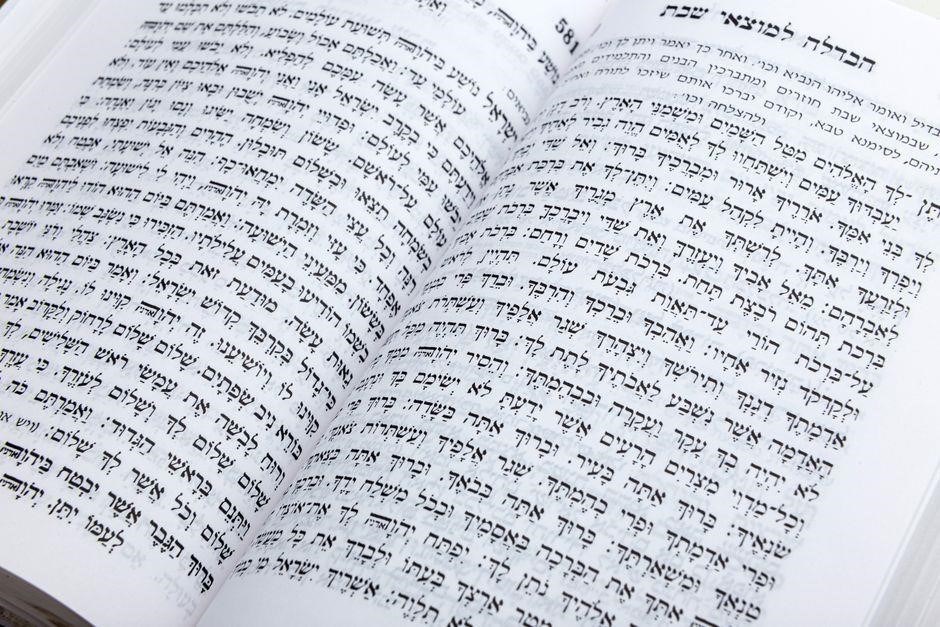
Sephardic Birkat Hamazon embodies distinct liturgical heritage rooted in Babylonian tradition refined by Rishonim․ Features unique textual insertions, Harachaman sequences, and kavanot absent elsewhere․ Authentic PDF editions preserve these nuances for daily observance today
Definition and Liturgical Significance
The Sephardic Birkat Hamazon (Grace After Meals) constitutes the universally binding rabbinically mandated liturgy recited following consumption of a kezayit of bread, fulfilling the Torah commandment “ve’achalta ve’savata u’verachta” (Deuteronomy 8:10)․ Unlike the Ashkenazi rite, the Sephardic nusach preserves ancient Eretz Yisrael and Babylonian halachic textual strata codified by the Shulchan Aruch and refined by the Ben Ish Chai and Kaf HaChaim․ Its liturgical significance extends beyond mere gratitude; it functions as a primary vessel for kavanot (mystical intentions deeply rooted in Kabbalistic tradition) associating the four core blessings—Hazan et HaKol, Nodeh Lecha, Rachem Na (Boneh Yerushalayim), and HaTov VeHaMetiv—with the four letters of the Tetragrammaton․ Distinctive Sephardic insertions include the Harachaman series petitioning for the Davidic monarchy, the Temple restoration, and the merit of the forefathers Abraham, Isaac, and Jacob and the ingathering of exiles․ Critical variations govern the zimmun formula, Retzei versus Ya’aleh Veyavo syntax, and Magdil versus Migdol in the final blessing․ The exact wording determines halachic validity for women’s participation and mezuman obligations․ Consequently, authoritative PDF editions from Sefaria or HebrewBooks are indispensable for maintaining textual fidelity, ensuring correct pronunciation of Shem u’Malchut, preserving unique piyyutim for festivals, and safeguarding a mesorah spanning millennia for contemporary observance․
Key Differences from Ashkenazi Nusach
The Sephardic nusach diverges significantly from the Ashkenazi rite in textual wording, structural arrangement, and profound mystical intention․ Foremost, the opening blessing Hazan et HaKol utilizes the specific phrase “zunenu” rather than “zaneinu” and omits the Ashkenazi insertion “b’chen v’chesed uv’rachamim”․ In the second blessing Nodeh Lecha, Sephardim recite “al she’hinchalta la’avoteinu” with distinct vowelization and precise cantillation and include the phrase “al brischa she’chatamta bivsareinu” referencing circumcision, often omitted or placed differently by Ashkenazim․ The third blessing Boneh Yerushalayim features the critical variant “Rachem Na” versus “Rachem” found in the Gemara and the unique Harachaman sequence requesting the Davidic kingdom “Harachaman hu yachazir malchut beit David” immediately following the blessing, sharply contrasting with the Ashkenazi placement․ The fourth blessing HaTov VeHaMetiv concludes with “Magdil” on weekdays and “Migdol” on Sabbath and festivals, a distinction debated among early authorities but standardized definitively in the Shulchan Aruch․ Zimmun formulas differ markedly distinct: Sephardim employ “Nevarech she’achalnu mishelo” without the Ashkenazi “uv’tuvo chayinu” addition․ Retzei and Ya’aleh Veyavo texts vary in grammatical form and specific inclusion of “malchut beit David”․ Kabbalistic kavanot from the AriZal permeate the entire Sephardic liturgical text, dictating specific divine name meditations absent in standard Ashkenazi bentchers․ Authoritative PDFs from Sefaria or HebrewBooks are absolutely essential for navigating these precise liturgical variances․
Role of PDF Editions in Modern Observance
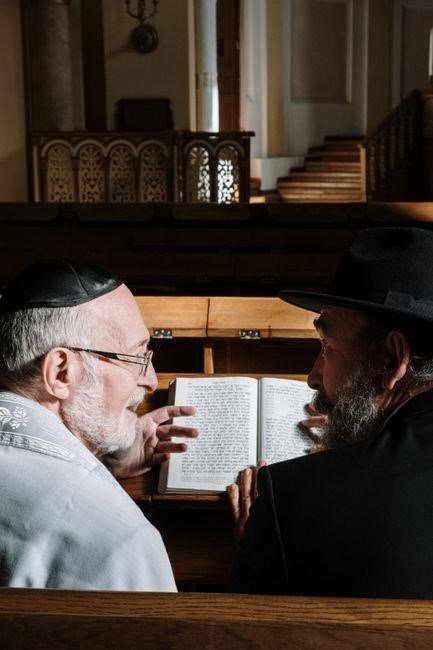
Digital PDF editions have revolutionized access to authentic Sephardic Birkat Hamazon texts, bridging geographical distance and preserving mesorah for global communities․ Unlike fragile printed bentchers prone to wear, high-resolution PDFs maintain precise nikkud, cantillation marks, and distinct Edot HaMizrach versus Spanish-Portuguese textual variants without degradation․ Leading repositories like Sefaria and HebrewBooks offer vetted critical editions incorporating rulings of the Shulchan Aruch, Ben Ish Chai, and Kaf HaChaim, enabling users to verify girsaot against manuscript facsimiles instantly․ Searchable text allows rapid location of specific Harachaman requests, Zimmun formulas, or kavanot for Rosh Chodesh and festivals․ Print-ready layouts support custom bentcher production for lifecycle events—weddings, bar mitzvahs, communal meals—ensuring halachic accuracy in font size, spacing, and directional Hebrew script․ Transliterated PDFs empower baalei teshuvah and youth lacking Hebrew fluency to participate fully with correct pronunciation of “zunenu”, “magdil”, and divine names․ Mobile compatibility permits discreet reference during meals, travel, or military service where physical books are impractical․ Furthermore, version-controlled digital archives safeguard rare nusach traditions—such as Moroccan, Syrian, or Yerushalmi specific insertions—from extinction․ Scholars utilize layered PDFs for comparative textual criticism, annotating variants between Rishonim commentaries directly on the page․ Ultimately, authoritative PDF dissemination democratizes Torah knowledge, guaranteeing every Sephardic Jew recites the Grace After Meals with textual fidelity and spiritual intention․
Detailed Textual Structure of the Sephardic Nusach
Comprises four biblical blessings: Hazan, Nodeh, Boneh, Metiv․ Includes unique Sephardic insertions like “Ya aleh ve-yavo” variants, distinct Harachaman series, and specific Zimmun invitations reflecting Edot HaMizrach tradition․
The Four Core Biblical Blessings
The Sephardic Birkat Hamazon centers on four essential blessings mandated by Torah law and tradition․ The first, Birkat Hazan (Who Feeds All), derives from Deuteronomy 8:10, praising the Almighty for sustaining all creation with kindness․ Sephardic texts feature unique phrasing: “hazan et ha’olam kulo betuvo, bechen, bechesed, uverachamim” with specific mystical kavanot for each divine attribute․ The second, Birkat Ha’aretz (Blessing for the Land), thanks the Almighty for the desirable, good, and spacious land, the eternal covenant and holy Torah․ Edot HaMizrach versions consistently place “ve’al ha’aretz” before “ve’al hamazon,” differing from the standard Ashkenazi order․ The third, Birkat Boneh Yerushalayim (Builder of Jerusalem), petitions for the complete restoration of Zion and the Davidic monarchy; Sephardic rites specifically insert “et tzemach David” prominently․ The fourth, Birkat HaTov veHaMetiv (Who is Good and Does Good), instituted after the fall of Beitar, acknowledges divine benevolence even amidst tragedy․ The extensive Harachaman series adds distinct Sephardic pleas for livelihood, peace, and the Messiah, formatted clearly in printable PDF bentchers for daily use․
- Critical variants include “magdil yeshuot malko” on weekdays versus “migdol” on Shabbat, a key distinguishing feature of Sephardic nusach․
- Authoritative digital PDFs meticulously vowelize (nikkud) Tetragrammaton substitutions (Adonai, Eloheinu) preventing any pronunciation errors during recitation․
- Advanced digital versions embed ta’amei hamikra for biblical verses in the first blessing, aiding proper melodic chanting for congregants․
Sephardic-Specific Additions and Harachaman Requests
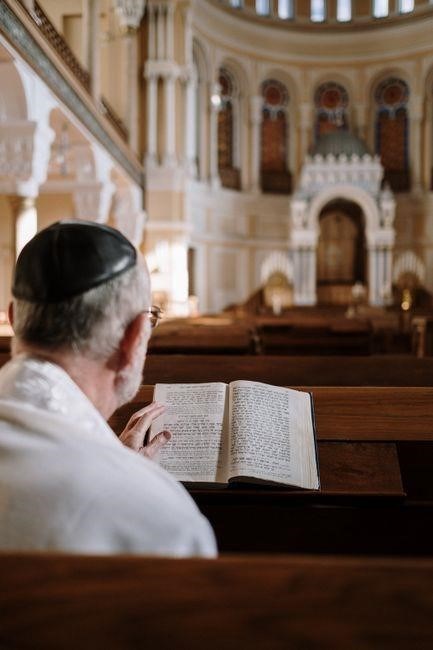
Beyond the four biblical blessings, the Sephardic Birkat Hamazon incorporates a rich tapestry of unique liturgical insertions reflecting centuries of mystical development and communal history․ Immediately following Boneh Yerushalayim, the Harachaman series expands significantly beyond the standard three requests․ Edot HaMizrach rites, following the Ben Ish Chai and Kaf HaChaim, append a structured sequence of over twenty distinct Harachaman paragraphs․ These petition for parnassah (livelihood) with the specific phrase “Harachaman hu yafrneseinu bechavod velo bevizayon”, for shalom bayit invoking “ke’ilu hitpalel alav Yehoshua Kohen Gadol”, and for the arrival of Mashiach ben David citing “Harachaman hu yashmia lanu besorah tovah yeshuah venechamah”․ A hallmark addition is the Yehi Ratzon for the restoration of the Temple service, recited with specific kavanot aligning the four blessings to the four letters of the Tetragrammaton․ Spanish-Portuguese (S&P) traditions preserve older piyyutim like “Ein Kelokeinu” inserted before the final blessing, a practice absent in Eastern rites․ Furthermore, the Zimmun invitation formula uniquely adds “Birsut haTorah, uvirsut haShechinah, uvirsut haKohanim” elevating the theological frame․ High-quality PDF bentchers distinguish these variants using bold headers for Harachaman categories—Parnassah, Refuah, Geulah, Talmidei Chachamim—and provide linear English translation alongside fully vowelized Hebrew․ Critical editions note the Rosh Chodesh insertion of “Ya’aleh veYavo” with Sephardic-specific grammatical forms (“ve’yizacher” vs “ve’yizakeir”) and the Sukkot addition of “Harachaman hu yakim lanu et sukkat David hanofalet” placed precisely after the Jerusalem blessing․ Digital editions often append the Birkat HaBayit and Tefillat HaDerech as supplementary value․
- Mystical kavanot for Harachaman requests map each plea to a specific Sefirah (e․g․, Chesed for sustenance, Gevurah for protection)․
- Print-ready PDFs utilize shaded backgrounds for Harachaman sections enabling rapid visual location during communal meals․
- Transliteration standards follow Havara Sefaradit phonology: chet as guttural ch, ayin as deep glottal stop, kamatz as open ah․
Variations Between Edot Hamizrach and Spanish-Portuguese Rites
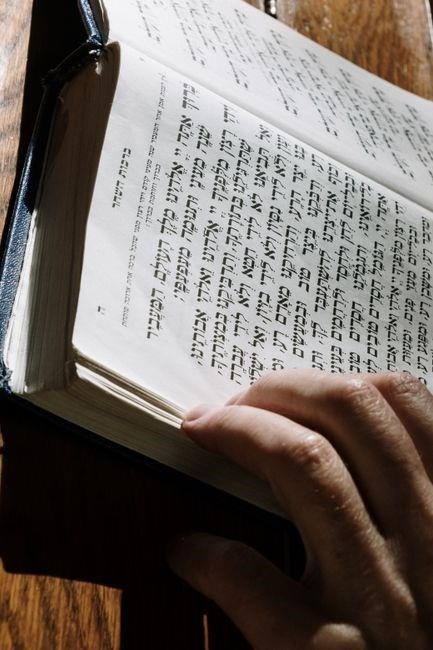
Profound liturgical divergence separates Edot HaMizrach (Eastern communities) and Spanish-Portuguese (Western Sephardim) Birkat Hamazon rites, documented in critical PDF editions․ Edot HaMizrach, adhering to Ben Ish Chai and Kaf HaChaim, features an expansive Harachaman block of twenty-plus paragraphs mapped to Sefirot via specific kavanot per attribute․ S&P tradition retains only seven core Harachaman pleas, omitting mystical meditations entirely․ Textual variance appears in Nodeh Lecha: Eastern texts include “eretz chemdah tovah urechavah”; Western texts omit chemdah․ In Hazan, Eastern adds “u’vtuvo ha gadol” while Western historically preserves “u’vtuvo” alone․ The Boneh Yerushalayim seal differs: Eastern “Boneh Yerushalayim” versus Western “Menachem Tzion uvene Yerushalayim” per Yerushalmi․ Zimmun invitation contrasts: Eastern adds “uvirsut haKohanim” to haTorah/haShechinah; Western uses “Birsut maranan verabanan”․ S&P uniquely inserts “Ein Kelokeinu” and “Bendigamos al Altissimo” pre-Hatov Vehametiv․ Rosh Chodesh Yaaleh Veyavo grammar varies: Eastern “ve’yizacher” vs Western “ve’yizakeir”․ PDFs distinguish Nusach Bagdad vs Nusach Amsterdam distinct tabs with diff markers․ Transliteration reflects Havara: Eastern Kamatz=ah, guttural Chet/Ayin; Western Kamatz=o, Chet=Sh․ Major authorities: R․ Ovadia Yosef mandates Eastern liturgical custom; R․ Gaguine (Keter Shem Tov) validates Western antiquity․
Zimmun Formulas and Mezuman Etiquette
Sephardic Zimmun protocol, recorded in authoritative PDF bentchers, mandates distinct formulas for assemblies of three, ten, or one hundred participants․ The mezuman leader initiates with the unique Aramaic invocation: “Hav lan ve’nivrich lemalka ila’a kadisha” (Grant us leave to bless the Supernal Holy King); participants respond “Shamayim” (Heaven)․ The leader proceeds: “Birsut maranan verabanan ve’birshut haTorah ve’haShechinah”; Edot HaMizrach custom adds “uvirsut haKohanim” honoring priestly status․ The standard summons follows: “Nevarech she’achalnu mishelo”; others answer “Baruch she’achalnu mishelo uvtuvo chayinu”․ For a quorum of ten (Zimmun B’Shem), the leader inserts “Elokeinu”: “Nevarech Elokeinu she’achalnu mishelo”․ For one hundred, “Nevarech Hashem Elokeinu” is recited․ Halachic etiquette requires the mezuman to hold a cup of wine (kos shel brachah), draped in a tallit for large groups, intending to exempt all listeners (yotzei)․ He drinks a minimum revi’it (86ml) first, distributing the remainder․ Shulchan Aruch (OC 199) permits women to form their own zimmun of three using “Nevorach she’achalnu mishelo” without the Divine Name, though Ben Ish Chai advises male leadership for mixed groups․ PDF editions highlight kavanot for Zimmun unifying Shechinah with Knesset Yisrael․
Halachic Foundations and Customary Practices
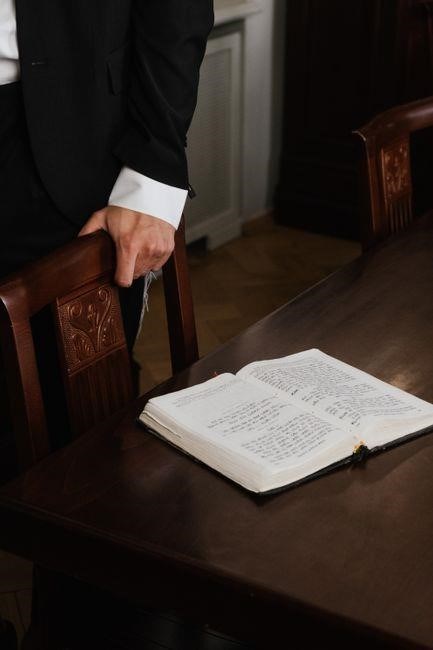
Sephardic Birkat Hamazon observance follows Shulchan Aruch rulings and Ben Ish Chai stringencies․ Kabbalistic kavanot permeate blessings․ Women’s obligation debated;PDFs codify minhagim for halachic adherence․
Rulings of the Shulchan Aruch and Ben Ish Chai
The Shulchan Aruch (Orach Chaim 184–189) establishes the baseline Sephardic halacha for Birkat Hamazon, mandating mayim acharonim before blessing, defining zimmun quorum requirements, and prescribing the exact nusach of the four biblical blessings․ It rules that women constitute a zimmun of their own but cannot join men’s․ The Ben Ish Chai (Parashat Chukat, Year 1) deepens practice with Kabbalistic kavanot, insisting on specific meditations during Hazan, Nodeh, Boneh, and Metiv․ He adds unique Harachaman requests for Parnassah and Geulah, adjusts wording for Seudah Shlishit, and requires standing for zimmun leadership․ Authoritative PDFs reconcile these layers, presenting the Shulchan Aruch text alongside the Ben Ish Chai glosses, vowelized for precise recitation․ Digital editions often feature side-by-side commentary from Kaf HaChaim and Yalkut Yosef, ensuring the modern observer navigates stringencies like mayim acharonim temperature and kosei shel bracha handling correctly․ This synthesis preserves the Baghdadi mystical legacy within the broader Sephardic legal framework․ Comprehensive digital volumes include hyperlinked cross-references to Responsa Yabia Omer regarding mezuman disputes and birchat ha’orach variations․ Print-ready formats ensure proper sof pasuk cantillation marks for the Harachaman series, facilitating flawless communal recitation during festive meals and sheva brachot celebrations everywhere today !!!

Kabbalistic Kavanot for the Blessings
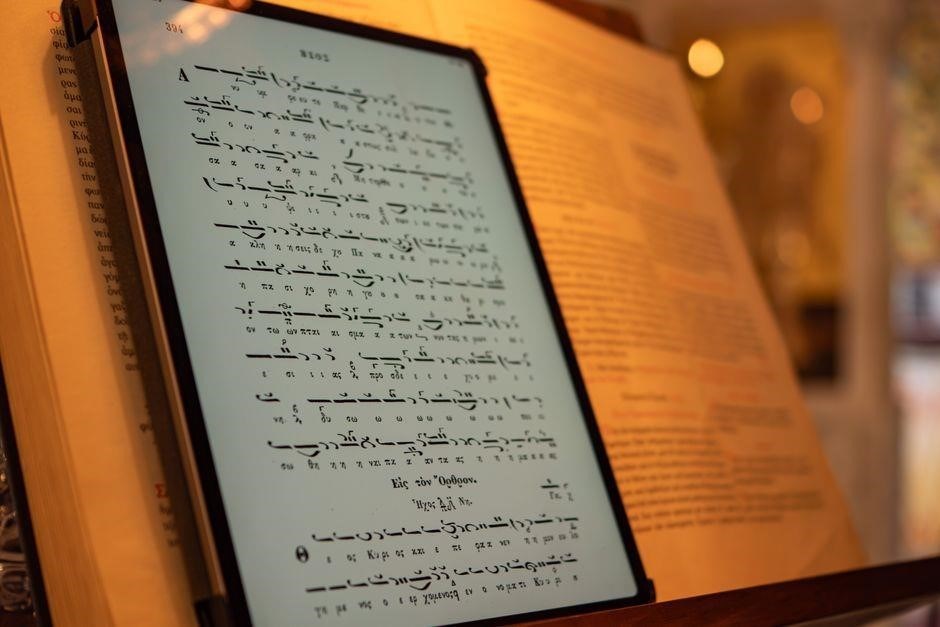
Sephardic Birkat Hamazon PDFs embed AriZal and Rashash systems, converting eating into theurgic elevation of Nitzotzot via Yichudim․ Blessing one Hazan maps to Chesed of Zeir Anpin and Havaya of Mah (YVD HE VEV HE = 45), drawing Shefa from Arich Anpin via Imma using Kavanat HaLechem․ Blessing two Nodeh links Gevurah and Elohim, sweetening five Gevurot via Imma Ilaah using Havaya of Ban (52) and Sag (63)․ Blessing three Boneh Yerushalayim unites Tiferet/Yesod through Havaya-Adnut yichud (26+65=91) for heavenly Jerusalem Binah, intending Vav-Hei unification․ Blessing four HaTov VeHaMetiv anchors Malchut in Adnut, revealing Keter of Nukva via Havaya of Sag․ Advanced kavanot permute Ehyeh (161, 151, 143) across Harachaman, visualizing Orot rising through Partzufim to Atik Yomin via Kavanot HaRashash․ The Ben Ish Chai mandates breath pauses at Baruch Atah for Mochin deGadlut and head bowing at Adnut․ Digital layouts print micrographic intentions beside text, color-keyed to Sefirot vectors with hyperlinked Peri Etz Chaim sources․ Zimmun leader intends Keter Elyon via Havaya of Ab (72) while participants channel Chochmah/Binah․ Mayim Acharonim meditation utilizes Havaya of Ban to cleanse Kelipot․ PDFs feature toggleable Kavanah layers: Pshat, Remez, Sod with animated Tzimtzum diagrams․ Marginal notes cite Shaar HaMitzvot and Ohr HaChaim on Birchat HaMazon as Tikkun HaYesod․ This architecture ensures Sephardic practitioners access authentic mystical praxis regardless of level instantly !!!
Women’s Obligation and Participation Customs
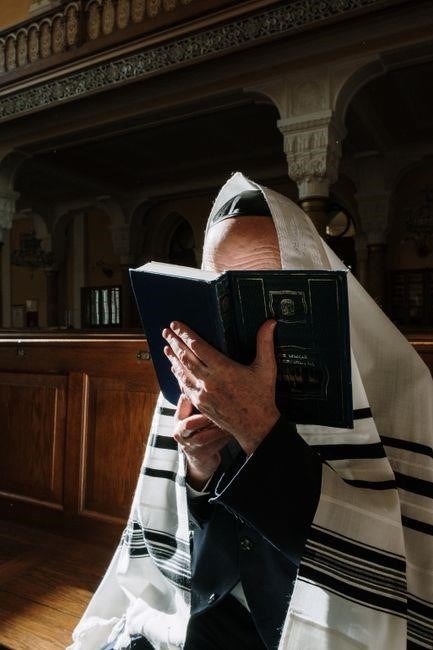
Sephardic halacha follows Shulchan Aruch ruling women are biblically obligated in Birkat Hamazon unlike time-bound exemptions․ Ben Ish Chai and Kaf HaChaim affirm women recite full text including Harachaman requests and Al HaMichya variants․ Zimmun participation differs: Sephardic custom permits women’s mezuman of three forming independent quorum using Nevarech SheAchalnu formula per Rashba and Meiri․ Spanish-Portuguese rites historically restricted women’s zimmun leadership but modern PDF editions include optional egalitarian layouts․ Digital bentchers feature gender-toggle settings switching pronouns in Harachaman for Ba’al HaBayit versus Ba’alat HaBayit․ Hacham Ovadia Yosef ruled women may lead mixed zimmun if men present fulfill obligation via shomea ke’oneh listening․ PDF annotations cite Yechave Daat and Halichot Olam on kavanah requirements for women exempt from minyan but bound by deoraita duty․ Print-ready files offer transliterated phonetic guides for women less fluent in Hebrew ensuring proper dikduk․ Customary seudat mitzvah additions like Shehasimcha BiMeono appear in women’s sections․ Kabbalistic notes from Ben Ish Chai address women’s tikkun via Malchut elevation during blessing four․ Contemporary editions integrate Yoetzet Halacha responsa on postpartum Birkat HaGomel insertion․ This comprehensive digital approach empowers Sephardic women’s liturgical agency authentically !!
Locating Authoritative Sephardic Birkat Hamazon PDFs
Reliable Sephardic Birkat Hamazon PDFs appear on vetted rabbinic portals, offering vocalized texts, kavanot notes, and halachic annotations for accurate daily use․ plus Edot HaMizrach for all rites now․!
Trusted Digital Libraries: Sefaria and HebrewBooks
Sefaria provides a dynamic, open-source platform hosting the complete Sephardic Birkat Hamazon with fully vowelized Hebrew, facing English translation, and layered commentary from classic authorities like the Shulchan Aruch, Ben Ish Chai, and Kaf HaChaim․ Users can instantly toggle between distinct Edot HaMizrach and Spanish-Portuguese nuschaot, export custom print-ready PDF sheets with adjustable font sizes, and access interlinked Talmudic sources alongside modern halachic responsa for deeper study․ HebrewBooks offers a massive, curated repository of high-resolution scanned siddurim and bentchers from historic presses in Livorno, Jerusalem, Baghdad, and Izmir, preserving authentic page layouts, kabbalistic kavanot, and rare Harachaman variants often omitted in contemporary popular editions․ Researchers download searchable PDFs of the Siddur Bet Oved, Kol Eliyahu, Ohr LeZion, and Siddur HaChida to verify textual fidelity against manuscript evidence․ Both sites support seamless mobile access, enabling offline synagogue use during Shabbat and festivals․ Cross-referencing these complementary databases ensures halachic accuracy, revealing subtle differences in the third blessing’s wording regarding the Davidic monarchy or the precise Zimmun formula for three versus ten men․ Always confirm the publisher’s reliable haskamah and edition date before adopting a new digital text for binding ritual obligation․ These tools empower every student seeking authentic Sephardic liturgical precision and reliable halachic guidance for daily practice today everywhere now․
Print-Ready Bentcher Layouts and Transliteration Options
High-quality printable PDFs for Sephardic Birkat Hamazon prioritize clear typography, accurate nikkud, and logical flow for the Zimmun leader․ Many layouts feature two-column design: vocalized Hebrew right, linear English or phonetic transliteration left, aiding those less fluent in Hebrew․ Popular editions like Birkat HaMazon HaShalem offer options for Edot HaMizrach versus Spanish-Portuguese rites, marking divergent Harachaman paragraphs and Rachem versus Nodeh variants in the third blessing․ Transliteration systems vary; some follow Israeli phonology, others preserve Baghdadi or Moroccan distinctions like qamatz as “o” or “a”․ Look for PDFs with embedded Hebrew fonts ensuring correct rendering on any printer․ Advanced layouts include kavanot from Ben Ish Chai, instructions for Mayim Acharonim, and Al HaMichya summary․ Organizers appreciate customizable templates for family names or specific Harachaman requests for hosts․ Always verify complete Zimmun formula for three, ten, and one hundred participants, plus Shir HaMa’alot prelude for Shabbat and festivals․ Downloading vector-based PDFs guarantees crisp text at any zoom, essential for elderly users needing large print during the meal’s conclusion․